T-Shirt Designing in Sialkot: Custom Designs for Brands, Teams, and Uniforms
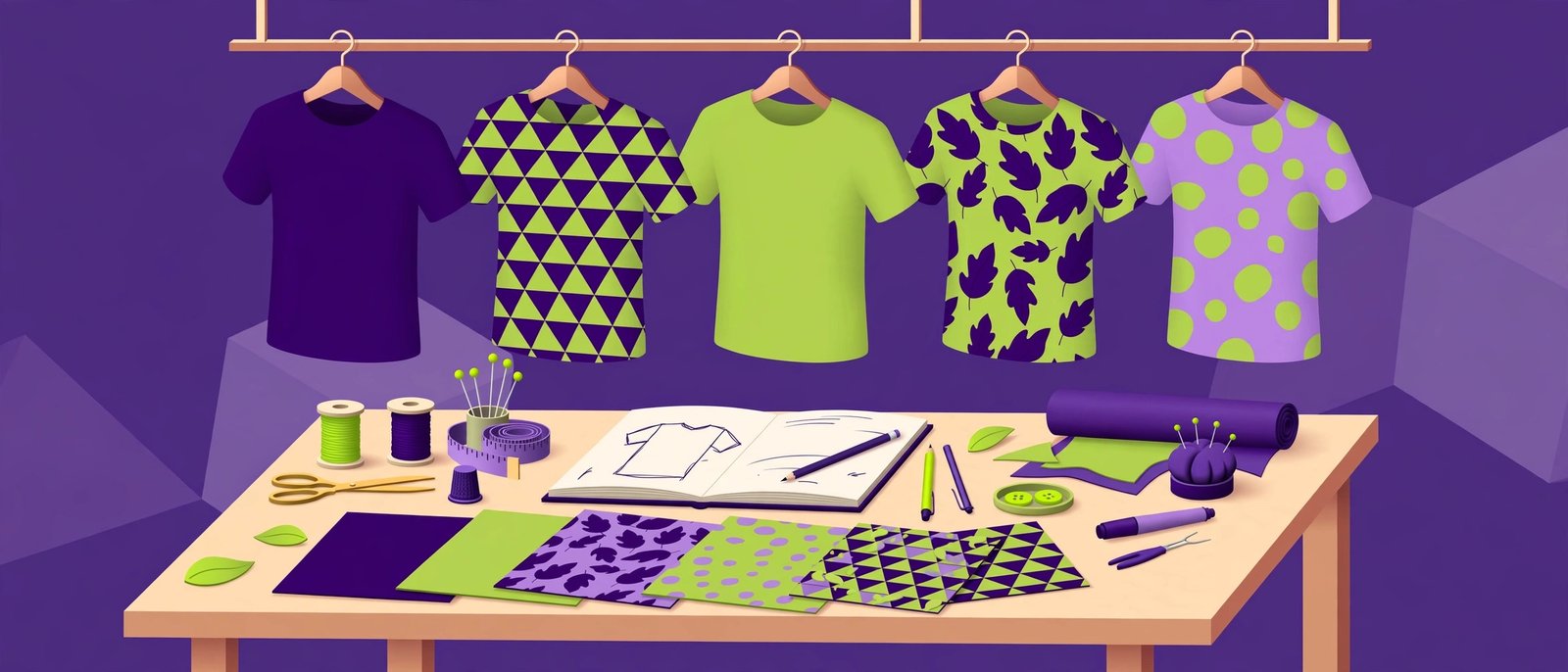
Sialkot makes clothes for the world. Sports kits. Fashion wear. Uniforms. The city stitches millions of garments every year. But there is a difference between making a T-shirt and designing one. Manufacturing is about cutting and stitching. Designing is about creating something people want to wear.
A T-shirt design is the artwork printed on the shirt: the graphics, the logo placement, the colors, the style. It is what makes a plain shirt into a brand. At Advert Solutions, we design custom T-shirts for clothing brands, manufacturers, sports teams, companies needing uniforms, and fashion collections. We create the artwork. You print it, stitch it, and sell it.
This guide covers everything about T-shirt designing in Sialkot. Why custom design matters. The types of T-shirt designs. How our process works. The print methods your design must suit. What to check before ordering. What design costs. And how to make T-shirts that people actually want to buy and wear.
Why Custom T-Shirt Design Matters
Walk into any market in Sialkot or anywhere in Pakistan. You will see hundreds of T-shirts. Most look the same. Same fonts. Same clip-art graphics. Same tired slogans. Now think about the T-shirts people actually pay good money for. Branded ones. Team kits. Shirts with designs that mean something. The difference is design.
For clothing brands, the design IS the product. Nobody buys a plain shirt at a premium price. They buy the design on it. A strong T-shirt design turns a Rs 500 blank into a Rs 2,000 branded product. That margin comes from design, not fabric. Brands that invest in original designs can charge more, sell more, and build loyalty. Brands that copy generic designs compete only on price. That is a race to the bottom.
For sports teams, the design builds identity. A cricket team in Sialkot. A football club. A gym group. When players wear a well-designed kit, they feel like a team. The design creates pride. It also creates visibility. A sharp team shirt gets noticed at tournaments. Sponsors notice too. A professional-looking kit attracts sponsors. An amateur-looking kit does not.
For companies, uniforms with good design build brand image. Restaurant staff. Delivery riders. Factory workers. Security guards. When uniforms look sharp, customers trust the business more. When uniforms look sloppy, it reflects badly. The design of a uniform T-shirt matters: logo placement, colors, readability of the company name. Small decisions, big impact.
For manufacturers and exporters, design capability wins orders. International buyers do not just want stitching. They want design input. A Sialkot factory that can offer original T-shirt designs alongside manufacturing has a huge advantage over one that only stitches. Buyers pay more for design-plus-production. If you are a manufacturer, offering design services through a partner like us can win you bigger orders.
For fashion collections, design is everything. A new clothing line lives or dies by its designs. Each piece must feel fresh but belong to the collection. Colors must work together. Graphics must match the brand mood. This needs a designer who understands fashion, not just someone who can use software. We design collections with a consistent visual language across all pieces.
There is also the promotional angle. Event T-shirts. Company anniversary shirts. Campaign merchandise. A well-designed promotional T-shirt gets worn again and again. Every wearing is free advertising. A badly designed one goes straight to the back of the closet. The design decides which one it becomes.
The bottom line: in a city that manufactures millions of shirts, design is how you stand out. Anyone can stitch. Not everyone can design. That is your edge.
Types of T-Shirt Designs We Create
T-shirt design is not one thing. A sports kit design follows different rules than a fashion brand design. Here are the main types we create for clients.
Sports team kits. Cricket, football, hockey, gym, cycling, gaming teams. Kit designs include the front, back, and sleeves. Player names and numbers. Sponsor logos. Team badge placement. The design must look dynamic and athletic. Colors must be bold enough to identify players from a distance. We design kits that teams are proud to wear and sponsors are happy to be on. Sialkot's sports goods industry gives us deep experience here. We understand what athletes need: designs that look fast, feel professional, and photograph well.
Streetwear and fashion brand designs. This is the creative heart of T-shirt design. Graphic tees with original artwork. Typography-based designs. Minimalist logos. Bold all-over prints. Vintage washes. Each brand has a mood. We study your brand and design graphics that match it. A skate brand needs different art than a modest fashion brand. We do not do generic. Every design is original, created for your brand alone.
Corporate uniforms and staff shirts. Polo shirts and T-shirts for staff. Restaurant crews. Delivery teams. Factory workers. Event staff. Uniform designs must balance branding with practicality. The logo must be visible but not silly. The company name must be readable. Colors should hide stains for food and factory work. Dark colors work well. We design uniforms that employees do not mind wearing, which matters more than most managers think.
Promotional and event T-shirts. Made for a specific occasion. Product launches. Company events. Charity runs. University societies. Political campaigns. These shirts have a short life but a big job: create buzz and unity. The design usually features the event name, date, and a bold graphic. We design these fast when deadlines are tight, because events do not wait.
Sublimation all-over print designs. Sublimation printing covers the entire shirt with design, edge to edge. No print area limits. This allows spectacular full-shirt artwork: gradients, photo prints, abstract patterns. But sublimation designs need special preparation. Colors must be planned for polyester fabric. The design must account for seams and folds. We create sublimation-ready files with the technical specs your printer needs.
Embroidery-ready designs. Some clients want embroidered logos instead of prints. Embroidery needs simplified designs. Fine details do not stitch well. Small text becomes unreadable. We adapt logo and graphic designs for embroidery, simplifying where needed while keeping the brand recognizable. If you need a proper logo first, see our logo designing service in Sialkot.
Private label brand collections. For brands launching a full line. Ten, twenty, fifty designs that work as a collection. Consistent style. Varied graphics. Coordinated color palette. We design collections as a system, not as random individual shirts. Each piece stands alone, but together they tell a brand story. This is popular with new Pakistani fashion brands and with exporters developing their own labels.
Kids' T-shirt designs. Children's wear needs a different touch. Playful graphics. Bright colors. Simple shapes. Age-appropriate themes. Safety matters too: designs should avoid small detachable elements for very young children. We design kids' collections that parents want to buy and children want to wear.
Each type needs different artwork, different file preparation, and different design thinking. Tell us what the shirts are for, and we will design accordingly.
Our T-Shirt Design Process, Step by Step
Great T-shirt designs do not happen by accident. They come from understanding the brand, the audience, and the production method. Here is our process.
Step 1: Brand and audience discovery. We learn about your brand. What is your style? Who buys your shirts? What do they wear now? What do you want them to feel? A brand targeting university students needs different designs than one targeting corporate buyers. We ask about your competitors too. Your designs should stand apart from theirs, not blend in.
Step 2: Print method confirmation. This step is critical and often skipped by amateur designers. How will the design be printed? Screen printing, sublimation, DTG, vinyl, or embroidery? Each method has different rules. Screen printing limits colors. Sublimation needs polyester. Embroidery needs simplicity. We confirm the method before designing, so the artwork works perfectly in production. If you are not sure about methods, we explain the options. See the print methods section below for details.
Step 3: Concept development. We develop design concepts based on your brand and goals. For fashion brands, this means mood boards and style directions. For teams, it means kit layouts with color options. For uniforms, it means logo placement studies. You see the direction before we go deep. This saves time and ensures we are aligned.
Step 4: Artwork creation. Now we create the actual designs. Original graphics. Custom typography. Careful color selection. Precise placement on the shirt template. We design on realistic T-shirt mockups so you can see exactly how the final product will look. Our mockup designs show your artwork on actual shirt shapes, not flat abstract layouts.
Step 5: Color and fabric consideration. A design that looks great on a white shirt might fail on black. We test your designs on your actual shirt colors. We consider fabric type. Some effects work on cotton but not on polyester. We adjust colors, outlines, and backgrounds so the design works on every color in your range.
Step 6: Review and revisions. You review the designs on mockups. You request changes. Bigger graphic. Different font. New color. Moved logo. We revise until you are happy. For collections, we review the full set together to ensure consistency. The collection must feel like a family, not strangers.
Step 7: Production-ready files. We deliver files prepared for your specific print method. Vector files for screen printing with separated colors. High-resolution files for DTG. Sized templates for sublimation. Simplified versions for embroidery. Each file is labeled clearly with the design name, size, and placement. Your printer gets exactly what they need. No confusion. No rework.
Step 8: Print coordination support. If your printer has questions about the files, we answer them. We speak the technical language printers use. This support prevents costly production mistakes. A design file prepared wrong can ruin an entire production run. We make sure that does not happen.
The timeline depends on the number of designs. A single T-shirt design takes two to three working days. A collection of ten designs takes two to three weeks. Team kits with names and numbers need extra time for the customization setup.
T-Shirt Print Methods: What Your Designer Must Know
The print method changes everything about a design. A designer who does not understand print methods will create artwork that fails in production. Here is what you need to know about each method used in Sialkot.
Screen printing. The most common method for bulk orders. Ink is pushed through a mesh screen onto the shirt. Each color needs a separate screen. This means designs with many colors cost more. Screen printing is ideal for bold graphics with limited colors: one to four colors is the sweet spot. It produces vibrant, durable prints. Perfect for team kits, uniforms, and promotional shirts ordered in hundreds or thousands. Your designer must provide color-separated vector files.
Sublimation printing. Ink becomes gas and bonds with polyester fibers. The result is a print that cannot crack, peel, or fade. It becomes part of the fabric. Sublimation allows unlimited colors and full-shirt coverage. It only works on polyester or high-polyester blends, and only on light colors. Ideal for sports kits, all-over print fashion, and vibrant designs. Your designer must create files at the full garment size with attention to seam areas.
DTG (Direct to Garment). Like an inkjet printer for shirts. Sprays ink directly onto the fabric. Handles unlimited colors and fine details, including photographs. No setup cost, so it works for small orders and one-offs. Best on cotton. The print is softer than screen printing but slightly less durable over many washes. Ideal for fashion brands testing new designs, custom one-off shirts, and online stores with print-on-demand. Your designer provides high-resolution files, and the printer handles the rest.
Vinyl and heat transfer. Designs are cut from colored vinyl sheets and heat-pressed onto the shirt. Great for names, numbers, and simple bold graphics. Very durable. Limited to solid colors, no gradients. Perfect for sports team names and numbers, and for small custom orders. Your designer must provide clean vector cut lines.
Embroidery. Thread stitched into the fabric. Premium look and feel. Extremely durable. Best for logos on polo shirts, caps, and uniform chest placements. Limited detail: fine lines and small text do not work. Designs must be simplified and digitized for embroidery machines. Ideal for corporate uniforms and premium brand polos.
How to choose. For bulk orders over 100 pieces with simple designs, screen printing is usually cheapest. For full-color all-over designs on sportswear, sublimation wins. For small batches with complex art, DTG is best. For names and numbers, vinyl is the standard. For premium logo polos, embroidery looks best. Tell us your quantity, fabric, and budget. We will recommend the right method and design accordingly.
This knowledge is what separates professional T-shirt designers from generic graphic designers. We design for the method, not just for the screen.
What to Check Before You Order T-Shirt Designs
Ordering T-shirt designs is an investment. Use this checklist to get it right.
Check 1: Do you own the design rights? This is critical. When you pay for a custom design, make sure you own it fully. You should be able to print it, sell shirts with it, and modify it without asking permission. Some designers retain rights or reuse designs for other clients. Ask upfront. Get it in writing. We transfer full rights to you on final payment. Your designs are yours alone.
Check 2: Is the design original? Ask your designer if the artwork is original or based on stock graphics. Stock-based designs can appear on other brands' shirts. For a real brand, that is dangerous. Original designs protect your identity. We create every design from scratch. No templates. No clip art. No recycled graphics.
Check 3: Does the designer know your print method? As explained above, this matters enormously. Ask directly: have you prepared files for screen printing? For sublimation? An experienced T-shirt designer answers confidently. A generic designer hesitates. Choose experience.
Check 4: Have you seen mockups? Never approve a design you have only seen as flat artwork. Always review it on a T-shirt mockup in your actual shirt colors. Placement, size, and colors look different on a shirt shape. We provide realistic mockups for every design. What you see is what you get.
Check 5: Are the files production-ready? Ask what files you will receive. For screen printing, you need vector files with separated colors. For DTG, high-resolution raster files. For embroidery, digitized files or simplified vectors. If a designer only delivers a JPG, that is a red flag. JPGs alone are not enough for professional production.
Check 6: Does the design work in your size range? A design that fits a medium shirt might look wrong on XXL or on kids' sizes. Placement and scale need adjustment across sizes. Discuss this with your designer if you produce a wide size range. We plan placement zones that work across standard adult sizes.
Check 7: Test print before bulk. Always print one sample before committing to hundreds of shirts. Colors shift between screen and fabric. Placement might need adjustment. A single test print costs little and prevents expensive mistakes. We recommend this to every client, and we help evaluate the sample.
Check 8: Plan your collection as a system. If you are launching multiple designs, plan them together. Consistent style. Coordinated colors. Varied but related graphics. A collection designed as a system sells better than random individual designs. We offer collection planning as part of our service.
T-Shirt Design Pricing in Sialkot
What does custom T-shirt design cost? It depends on the type of design, the number of designs, and the complexity. Here is a clear breakdown.
Single T-shirt design. One original graphic design for one shirt. You provide the concept or theme. We create the artwork, show it on mockups, revise based on your feedback, and deliver production-ready files. This suits small brands testing a design, event shirts, or single promotional tees.
Team kit design. Front, back, and sleeve designs as a coordinated set, including number and name placement zones and sponsor logo areas. More work than a single graphic because all elements must work together. Popular with cricket, football, and gym teams across Sialkot. If the team needs matching banners for tournaments, we design those too.
Uniform design sets. Logo placement design for staff shirts or polos, sometimes with multiple garment types. Includes embroidery-ready simplification if needed. Suited for restaurants, delivery companies, factories, and corporate clients.
Fashion collection design. Multiple coordinated designs, typically five to fifty pieces. Priced per design with volume discounts. Includes collection planning, consistent style development, and color palette coordination. This is a bigger project with a bigger payoff. We quote collections individually after understanding the scope.
Sublimation all-over designs. Full-shirt artwork prepared at garment size. More complex than standard chest prints because the design must work across seams and the full fabric area. Priced higher than simple graphic designs, reflecting the extra work.
What affects the price? Originality is the biggest factor. A truly original illustration costs more than a typography-based design. Complexity matters: detailed artwork takes longer than simple graphics. Revisions are included, but endless major direction changes add cost. Be clear about your vision upfront to keep the project smooth. Quantity matters too: per-design cost drops significantly for collections.
Design cost vs. product value. Think about the math. If a great design lets you sell a shirt for Rs 500 more, and you sell 1,000 shirts, that design earned you Rs 500,000. The design fee is tiny compared to the return. This is why successful brands invest in design. It is not an expense. It is the highest-return investment in the product.
For an exact quote, contact us with your requirements: number of designs, shirt type, print method, and timeline. Or call +92 371 4200173. We will give you a clear, honest quote with no hidden charges.
Design Trends in T-Shirt Fashion
T-shirt fashion changes constantly. Here are the trends we see working right now, in Pakistan and internationally.
Minimalist branding. Small chest logos. Clean typography. Understated designs. This trend dominates premium streetwear. Less is more. A tiny, well-designed logo on a quality shirt outsells a loud graphic. If your brand targets style-conscious buyers, consider minimalism.
Bold retro graphics. Vintage-inspired designs are huge. Retro fonts. Washed colors. Nostalgic imagery. This trend works for casual fashion brands and appeals to young buyers. The key is making retro feel fresh, not dated.
Oversized back prints. Small front, big back. This layout is everywhere in streetwear. A small chest logo on the front, a large artistic graphic on the back. It gives wearers two looks in one shirt. We design many collections in this format.
All-over sublimation art. Made possible by Sialkot's sublimation printing capacity. Full-shirt artistic prints. Abstract patterns. Photo collages. These shirts are statement pieces. They stand out in any crowd. Export buyers love them because they showcase printing capability.
Typography statements. Words as design. Bold quotes. Brand manifestos. Urdu calligraphy-inspired Latin type. Typography tees never go out of style, but the fonts and messages must feel current. We create custom lettering rather than using overused fonts.
Sustainable messaging. Eco-friendly themes resonate with young buyers globally. If your brand uses organic cotton or ethical production, say it in the design. This trend matters especially for export, where European buyers increasingly demand sustainability credentials.
Local culture designs. Designs celebrating Pakistani and Sialkot culture perform well locally. Truck art-inspired graphics. Urdu poetry. Cricket themes. These create emotional connection. For brands selling in Pakistan, cultural designs are a powerful differentiator.
Trends are useful, but your brand identity matters more. We help you use trends without losing your unique voice. The goal is shirts that feel current but still unmistakably yours.
T-Shirt Design for Exporters: Winning International Buyers
Sialkot exports garments worldwide. If you are a manufacturer selling to international buyers, design capability can transform your business. Here is how.
Buyers want more than stitching. International clothing buyers, especially smaller brands, often lack in-house design teams. They come to Sialkot for production. If you can also offer original designs, you become far more valuable than a factory that only stitches. You move from vendor to partner. Partners get bigger orders and better margins.
Design presentations win orders. When a buyer visits your factory or sees your catalogue, original designs impress. Show them a range of your own designs alongside your production capability. It proves creativity, not just capacity. We help Sialkot manufacturers build design portfolios: collections of original T-shirt graphics they can show buyers. This is a powerful sales tool.
Understand Western tastes. Designs that sell in Pakistan do not always sell in Europe or America. Western buyers have different color preferences, graphic styles, and cultural references. What is trendy in Sialkot markets may look dated to a German buyer. We study international T-shirt trends and design accordingly. Minimalist graphics for Scandinavian buyers. Bold streetwear for American brands. Clean athletic designs for sports labels.
Private label development. Many buyers want their own brand manufactured in Sialkot. They need a full package: logo, T-shirt graphics, labels, packaging. We provide the complete design side. You provide the manufacturing. Together, you offer a turnkey private label service. This is one of the most profitable models in garment export. For the label side, see our label designing guide.
Tech packs and specifications. Professional buyers expect tech packs: detailed specification sheets for each garment. While tech packs are usually prepared by merchandisers, the design artwork must integrate with them. We deliver design files organized and labeled for easy tech pack integration. Placement measurements. Color codes. Print method notes. Everything a merchandiser needs.
Seasonal collections for buyers. International fashion runs on seasons: Spring/Summer and Autumn/Winter. Buyers plan months ahead. If you present fresh designs aligned with upcoming seasons, you win attention. We track global fashion calendars and design seasonal collections for exporters to present at the right time.
Design is the missing piece for many Sialkot exporters. You have the factories. You have the workers. You have the quality. Add professional design, and you compete with the best in the world.
Common T-Shirt Design Mistakes to Avoid
We have seen many T-shirt projects go wrong. These are the mistakes to avoid.
Mistake 1: Designing without knowing the print method. The most common and most damaging mistake. A beautiful 20-color design that must be screen printed. A detailed photo design meant for embroidery. Always confirm the print method first. Design second.
Mistake 2: Too many colors for the budget. Every color in screen printing adds cost. A 6-color design costs significantly more to print than a 2-color design. If your budget is tight, design with fewer colors. Skilled designers create stunning 2-color graphics. Amateurs need 8 colors to look decent.
Mistake 3: Tiny details that disappear. Fine lines, small text, delicate patterns. They look great on screen. They vanish on fabric. Ink spreads slightly on cloth. Details below a certain size merge into blobs. Design bold. Test at actual print size.
Mistake 4: Ignoring shirt color. Designing on white and assuming it works on black. It does not. Dark shirts need different color choices, often with base layers. Always review designs on every shirt color you will produce.
Mistake 5: Bad placement. Graphics placed too high look like they are choking the wearer. Too low looks sloppy. Too big overwhelms. Too small looks cheap. Placement zones exist for a reason. Standard chest prints sit in a specific area. Follow the standards or know exactly why you are breaking them.
Mistake 6: Copying other brands. Using someone else's design or heavily copying a famous brand. This is not just unethical. It is dangerous. Brands protect their designs legally. And copied designs never build your own identity. Original always wins in the long run.
Mistake 7: Skipping the test print. Going straight to 500 shirts without a sample. If anything is wrong, and something usually is, you have 500 wrong shirts. One test print. Always.
Avoid these mistakes and your T-shirt project starts on solid ground. Professional design plus production knowledge is the formula.
Building a T-Shirt Brand in Sialkot: A Practical Roadmap
Many people in Sialkot want to launch their own T-shirt brand. The manufacturing is here. The designers are here. Here is a practical roadmap.
Step 1: Define your niche. Do not make shirts for everyone. Pick a lane. Gym wear. Streetwear. Modest fashion. Kids. Cricket fans. A clear niche makes design, marketing, and sales easier. You know exactly who you are designing for.
Step 2: Develop your brand identity. Name. Logo. Colors. Visual style. Your brand identity guides every design decision. A strong identity makes even simple shirts look premium. We design complete brand identities including logos, so your T-shirt line launches with a professional foundation.
Step 3: Design your first collection. Start small. Five to ten designs. Test the market before scaling. Your first collection should show range: some bold graphics, some minimal pieces, different color options. We design starter collections optimized for testing.
Step 4: Produce samples. Print your designs on actual shirts. Check quality. Wear them. Wash them. Give them to friends for feedback. Samples reveal problems that mockups cannot. Adjust designs based on what you learn.
Step 5: Start selling. Instagram. Facebook. WhatsApp. Local shops. Start where your audience already is. Good product photos matter enormously. We create product mockups and social media creatives that make your shirts look irresistible online.
Step 6: Listen and iterate. Which designs sell? Which get ignored? Double down on winners. Drop losers. Design new pieces inspired by what works. Brands grow through this cycle. The designers who understand your sales data become more valuable with every collection.
Sialkot gives you an unfair advantage: world-class manufacturing at your doorstep. Add professional design and smart marketing, and there is no reason your brand cannot compete nationally or even internationally.
Your brand journey starts with a single great design. Make it count, learn from the market, and keep creating great designs every season.
Frequently Asked Questions About T-Shirt Designing in Sialkot
How long does it take to design a custom T-shirt?
A single T-shirt design takes two to three working days. This includes concept, artwork, mockups, your feedback, revisions, and production-ready files. Team kits take three to five days. Fashion collections of ten or more designs take two to three weeks depending on complexity.
Do I own the design after paying?
Yes. We transfer full ownership rights to you on final payment. You can print the design, sell shirts with it, and modify it freely. Your designs are never reused for other clients. Get ownership terms in writing from any designer you work with.
What files will I receive?
You receive production-ready files matched to your print method. Vector files with separated colors for screen printing. High-resolution files for DTG. Sized templates for sublimation. Simplified vectors for embroidery. Plus mockup images showing the design on shirts. Everything your printer needs.
Can you design for sublimation printing?
Yes. We create full-shirt sublimation designs prepared at garment size with attention to seams, color behavior on polyester, and print specifications. Sialkot has strong sublimation printing capacity, and we prepare files that work perfectly with local printers.
Do you design team kits with player names and numbers?
Yes. We design complete kit layouts including front, back, and sleeves, with designated zones for player names, numbers, and sponsor logos. We set up the design so your printer can easily customize each shirt. This is one of our most popular services for Sialkot sports teams.
Can you create an entire clothing collection?
Yes. We design coordinated collections from five to fifty pieces. This includes style development, color palette planning, individual graphics, and consistency review across the full set. Collections are quoted individually based on scope. Contact us to discuss your brand vision.
What is the difference between a graphic designer and a T-shirt designer?
A T-shirt designer understands production. Print methods, color separation, fabric behavior, placement zones, and file preparation. A generic graphic designer may create beautiful artwork that fails when printed. Always choose a designer with garment production knowledge. It saves you from expensive production mistakes.
Should I test print before bulk production?
Always. Print one sample first. Check colors, placement, and print quality on the actual fabric. Colors shift between screen and shirt. Placement may need adjustment. A single test print is cheap insurance against ruining a full production run. We help you evaluate the sample.
Can you redesign my existing T-shirt graphics?
Yes. We can refresh outdated designs, adapt designs for new print methods, or expand a single design into a full collection. We keep what works about your current designs and improve the rest. Many brands update their graphics every season to stay fresh. For coordinated marketing materials, see our flyer designing guide and poster designing guide.
Get T-Shirt Designs That Sell
In a city that stitches millions of shirts, design is your competitive edge. Anyone can manufacture. Few can design. The brands that win are the ones with original, professional, production-ready artwork.
At Advert Solutions in Sialkot, we design custom T-shirts for clothing brands, sports teams, uniforms, and fashion collections. We understand every print method used in Sialkot. We deliver production-ready files your printer can use directly. And you own every design fully.
We also help with everything around the shirts: brand logos, clothing labels, hang tags, packaging design, and social media creatives to sell your collection online. One partner for your complete brand design needs. That consistency across every touchpoint is what turns a few shirts into a real brand.
Do not let weak designs hold back good products. Your shirts deserve artwork as good as your stitching. Let us create it together.
Ready to create shirts people want to wear? Contact us today with your requirements, or call +92 371 4200173. Tell us about your brand, your shirts, and your print method. We will handle the design. Your next bestseller starts with a great design.
We do this for businesses.
Get a free consultation — we'll map the fastest path for you.