
Packaging Designing in Sialkot
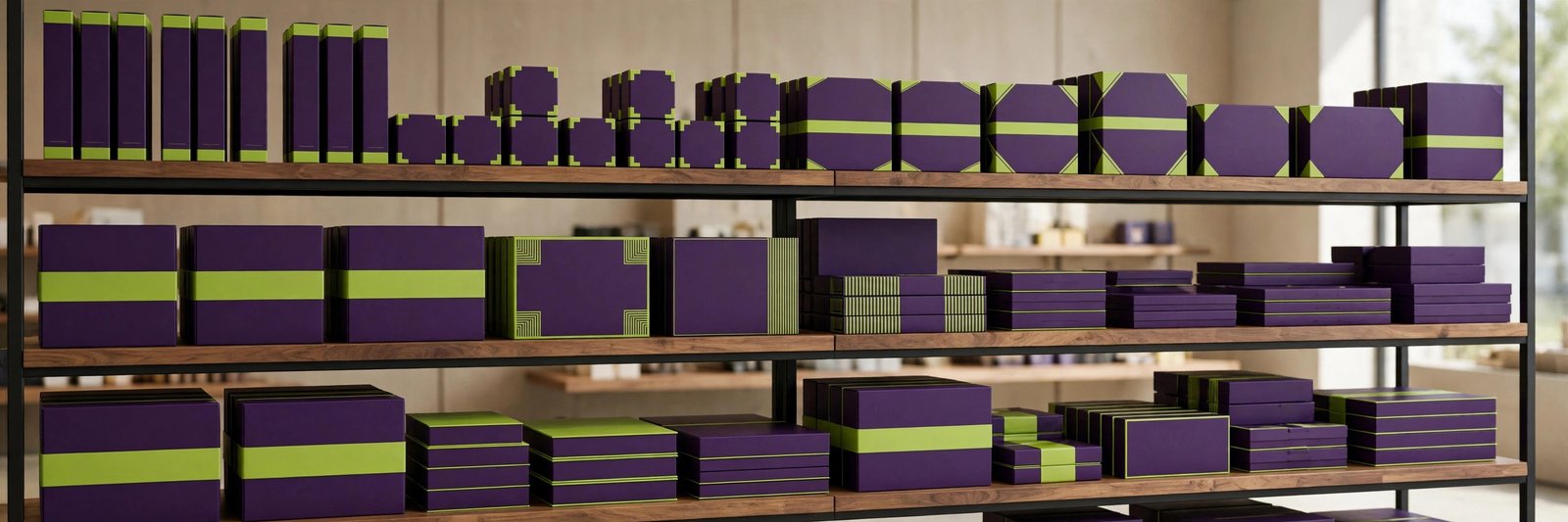
Your packaging is your silent salesman. On a shop shelf or in an online listing, the customer sees your box before they see your product. Good packaging makes them pick yours up. Bad packaging makes them walk past. If you manufacture products in Sialkot — sports goods, surgical instruments, leather items, food, cosmetics, or anything else — this complete guide explains what professional packaging design involves: the types of packaging, what goes on each panel, dielines and materials, legal requirements for export, pricing, and the mistakes that cost manufacturers money.
Why Packaging Design Matters for Manufacturers
Many manufacturers spend all their energy on the product and treat packaging as an afterthought. That is a mistake that costs real money. Your product might be excellent, but if the packaging looks cheap, buyers assume the product is cheap too. This judgment happens in seconds and is very hard to reverse.
Consider two identical footballs on a shop shelf. One comes in a crisp, well-designed box with clear branding. The other comes in a plain plastic bag with a sticker. Which one does the customer trust? Which one can the shopkeeper sell at a higher price? The product inside is the same — the packaging creates the entire difference in perceived value.
For exporters, packaging matters even more. Your buyer may never visit your factory. The carton that arrives at their warehouse is their physical experience of your company. Professional packaging says you are organized, serious, and ready for long-term business. Poor packaging raises doubts about everything else — if you cut corners on the box, what did you cut corners on inside?
Packaging also protects your pricing power. When your product looks premium, you can charge premium prices. When it looks cheap, you are forced to compete on price alone — a race to the bottom that Sialkot manufacturers know too well. Good packaging is one of the few investments that directly supports higher margins.
Finally, packaging is marketing that you already pay for. Every box you ship, every product on a shelf, every parcel delivered is an advertisement. Designing that advertisement properly costs little extra beyond what you already spend on packaging materials — but the return in brand recognition and perceived value is enormous.
The Three Jobs of Packaging: Protect, Brand, Sell
Every packaging design must do three jobs at once. Understanding all three is what separates professional packaging design from decoration.
Job 1: Protect. The obvious one. Packaging must keep your product safe from factory to customer — through handling, stacking, shipping, and storage. For export, this means surviving container shipping across oceans: humidity, temperature changes, rough handling, and long stacking. Protection is engineered through material choice, structural design, and proper cushioning — not just a pretty box.
Job 2: Brand. Your packaging should carry your identity clearly: your logo, your colors, your company name. When a buyer in another country opens a shipment of Sialkot-made footballs, the box should tell them exactly who made them. That is how repeat orders happen — the buyer remembers your brand, not just your product. A strong logo design is the starting point; packaging is where that logo goes to work every single day.
Job 3: Sell. In retail, packaging is advertising. Shoppers judge quality by the pack, often in under five seconds. A premium-looking box lets you charge a premium price and win the customer's hand over a competitor. On e-commerce, your packaging photo is your product photo — it must sell through a screen.
The best packaging balances all three. A box that protects perfectly but looks terrible fails at selling. A beautiful box that crushes in shipping fails at protecting. Professional packaging design considers all three jobs from the first sketch.
Product Boxes: Folding Cartons and Rigid Boxes
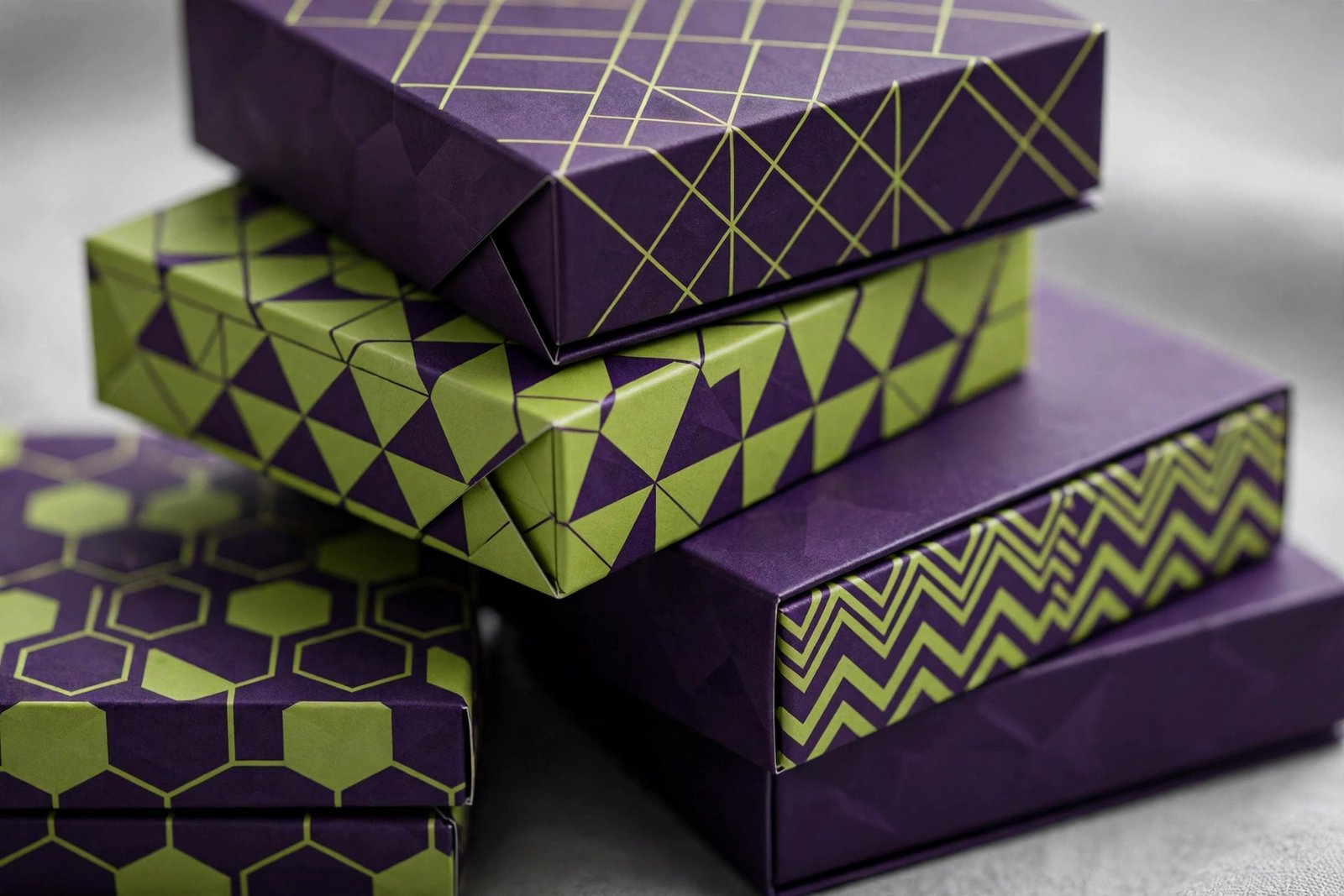
Product boxes are the most common packaging for retail products. We design two main types.
Folding cartons are the lightweight printed boxes used for most consumer products — from surgical instrument sets to sports accessories. They ship flat, fold up quickly, and print beautifully in full color. They are economical for medium to large runs and suit products that do not need heavy protection.
Rigid boxes are the sturdy, premium boxes used for luxury products — high-end instruments, gift sets, premium leather goods. They do not fold flat; they are built solid. Rigid boxes feel expensive in the hand and justify premium pricing. They cost more to produce, so reserve them for products where the premium feel directly supports the price.
For both types, we design the complete layout: front, back, sides, top, and bottom. Each panel has a purpose. The front sells with your branding and hero product image. The back carries product details, features, and instructions. The sides hold barcodes, certifications, and legal markings. Nothing is random — every panel is planned.
We also consider the unboxing experience. How the box opens, what the customer sees first, how the product sits inside — these details turn packaging into a memorable brand moment. Simple touches like a printed inside lid message or a neat product tray make inexpensive packaging feel thoughtful.
Labels and Stickers
Not every product needs a full box. Labels and stickers brand products that sell in their own containers — bottles, jars, pouches, or the product itself.
Product labels wrap bottles and jars or stick on containers. A well-designed label transforms a plain container into a branded product. For food, cosmetics, and oils, the label IS the packaging — it carries your entire brand. Label design must work at small sizes: readable text, clear branding, and legal information all in a compact space.
Seals and stickers serve practical purposes: tamper-evident seals show the product has not been opened, quality stickers highlight certifications, and promotional stickers announce offers or new features. Designed properly, these small elements add professionalism; designed badly, they look like afterthoughts.
Barcode and compliance labels carry the functional markings every retail product needs. We integrate these into the overall design so they look intentional rather than slapped on.
Label materials matter: waterproof labels for products exposed to moisture, durable synthetics for outdoor products, and premium textured papers for luxury items. We specify the right material for your product's real-world conditions.
Pouches and Flexible Packaging
Flexible packaging — pouches, bags, and sachets — is lightweight, economical, and increasingly popular for apparel, gloves, accessories, and food items.
Stand-up pouches have a gusseted bottom that lets them stand on shelves. They offer large printable surfaces front and back, use less material than boxes, and ship flat before filling — saving storage and freight costs. Resealable zippers add convenience that customers value.
Flat pouches and bags suit lightweight items like gloves, socks, and apparel. They are the most economical flexible option and work well for products sold in bulk or as sets.
Window pouches include a clear window so customers can see the actual product. This builds trust — especially for products where color and texture matter, like leather gloves. The window must be positioned to show the product's best feature.
Flexible packaging design must account for how the material behaves: pouches curve, wrinkle, and reflect light differently from rigid boxes. We design with these realities in mind, keeping critical text and branding in flat, stable areas and testing the design on realistic mockups before you commit to production.
Export Cartons and Shipping Boxes
Outer shipping cartons are often treated as purely functional — but they are also brand touchpoints that travel the world with your company name on them.
Printed export cartons carry your logo, company name, product description, handling marks (this side up, fragile, keep dry), and carton numbering. When a buyer's warehouse receives fifty cartons, printed branding looks professional and makes your shipment easy to identify. Unprinted cartons look anonymous and forgettable.
Handling and compliance marks are not optional for export. Country of origin marking ("Made in Pakistan") is legally required in most markets. Handling symbols follow international standards that warehouse staff recognize worldwide. We include all required markings in the carton design.
Structural strength matters as much as printing. Export cartons must survive stacking, humidity, and rough handling. We work with your carton manufacturer on board grade and box style (regular slotted, full overlap, etc.) to match your product weight and shipping conditions.
Even if your cartons are simple, printing them properly costs little extra per unit at volume — and every carton becomes a traveling advertisement for your company.
Tags, Inserts, and Finishing Touches
Small packaging elements add polish that customers notice, often subconsciously.
Hang tags attach to apparel, bags, and accessories. They carry your brand, price, barcode, and care instructions. A well-designed hang tag makes a product feel retail-ready; a flimsy one suggests a street-market product.
Thank-you cards and inserts go inside the pack. A short thank-you message, care instructions, or a discount code for the next purchase turns a transaction into a relationship. For e-commerce sellers, inserts are one of the highest-ROI marketing tools available.
Instruction manuals for technical products must be clear, well-illustrated, and properly translated for export markets. Badly written manuals generate support headaches; good ones reduce returns and complaints.
Warranty cards for premium products add perceived value and collect customer data for future marketing. Designed as part of the packaging family, they reinforce the premium feel.
These small pieces cost little to produce but contribute enormously to the feeling that your brand is professional and cares about details.
What Good Packaging Includes: The Full Checklist
Use this checklist to evaluate any packaging design — yours or a competitor's.
Brand presence: logo clearly visible, brand colors used consistently, company name readable at a glance. Your packaging should be recognizable as yours from three meters away.
Product identification: what the product is, stated plainly. A customer should never wonder what is inside the box.
Key benefits: the top 2-3 reasons to buy, stated as benefits. "Professional match quality" beats a list of technical specs on the front panel.
Product details: sizes, colors, materials, quantities, model numbers — the facts needed for an informed purchase.
Usage and care: how to use, clean, store, or maintain the product. This reduces misuse, returns, and complaints.
Legal requirements: barcodes, warnings, certifications, country of origin, importer details for export markets. Missing legal markings can block your products at customs.
Contact information: website, email, or QR code linking to your digital presence. Packaging that leads nowhere wastes a marketing opportunity.
Visual appeal: professional photography or illustration, clean typography, balanced layout. The pack should look like it belongs next to premium competitors, not apologizing beside them.
Dielines Explained in Simple Words
A dieline is the flat template that shows exactly where your packaging will be cut, folded, and glued. Think of it as the blueprint for your box. Every professional packaging design includes one.
What a dieline shows: solid lines for cutting, dashed lines for folding, and marked areas for glue. It also shows bleed areas (extra image area beyond the cut edge, so colors reach the edge cleanly) and safe zones (where text must stay to avoid being cut off or folded over).
Why it matters: without an accurate dieline, the printer guesses — and guesses produce boxes where text gets cut off, folds land in the wrong places, and panels do not align. A proper dieline eliminates these expensive surprises.
Who makes it: we create dielines as part of our packaging design service, matched to your box dimensions and your printer's specifications. If you already have a dieline from your box manufacturer, we design to it. If not, we create one.
What you receive: the dieline as a vector file with your artwork placed on it, plus a 3D mockup showing how the flat template becomes the finished box. You approve the 3D view — which is intuitive — and the printer uses the dieline — which is precise.
Materials and Finishes
Material and finish choices affect how your packaging looks, feels, protects, and costs. Here is a practical overview.
Paperboard: the standard for folding cartons. Comes in various thicknesses and coatings. Clay-coated board gives the smoothest printing surface for vibrant graphics.
Corrugated board: for shipping cartons and heavy products. The fluted middle layer provides strength. Available in single-wall and double-wall for different weight needs.
Rigid board: for premium boxes. Thick, solid, and luxurious — but the most expensive option. Used where the unboxing experience justifies the cost.
Flexible films: for pouches — layered plastics, sometimes with foil or paper layers for barrier properties (keeping moisture and air out). Material choice affects shelf life for food products.
Finishes: matte lamination (soft, premium feel), gloss lamination (shiny, vibrant), spot UV (glossy highlights on matte background), foil stamping (metallic gold/silver/copper accents), embossing (raised texture). Each finish changes the perceived value — use them strategically on key elements like your logo rather than everywhere.
We recommend materials and finishes based on your product, your market position, and your budget — premium where it counts, economical where it does not.
Legal and Export Requirements
Packaging that ignores legal requirements can be stopped at customs, rejected by retailers, or fined. Here is what to cover.
Country of origin: "Made in Pakistan" marking is required for exports to most countries. It must be permanent, legible, and conspicuous — not hidden in tiny text.
Barcodes: retail products need scannable barcodes (usually EAN-13). The barcode needs a quiet zone (clear space around it) and must print at sufficient contrast to scan reliably. We place and size barcodes to retail standards.
Product-specific regulations: food packaging needs ingredient lists, nutritional information, allergen warnings, and expiry dates in the destination country's required format. Cosmetics need ingredient lists and warnings. Children's products need age grading and safety warnings. Medical products have their own strict labeling rules.
Language requirements: many countries require labeling in their official language(s). The EU requires instructions in the language of each market. Plan for this in the design — multilingual panels need more space.
Importer information: many markets require the importer's name and address on the packaging. Leave a designated space for this, or design versions per market.
Environmental markings: recycling symbols, material identification codes, and disposal instructions are increasingly required. Green claims ("eco-friendly," "biodegradable") are regulated in many markets — only make claims you can substantiate.
Tell us your target markets during the design briefing, and we build compliance into the layout from the start — far cheaper than redesigning after a customs rejection.
Shelf Impact: Standing Out in Stores
In retail, your packaging competes for attention in a crowded field. Here is how to win the shelf.
Be findable first, beautiful second. Shoppers look for product categories before brands. Your packaging must clearly signal its category — through imagery, colors, and shape — so the right shoppers stop. A beautiful box that confuses shoppers about what is inside fails.
Use contrast strategically. Look at your competitors' packaging colors. If every football box is red and black, a clean white and green box stands out dramatically. Contrast against the category, not just against white space.
Make the brand readable at distance. Shoppers scan shelves from meters away. Your logo and product name must be legible at 2-3 meters. Test this with printed mockups viewed from across the room — screen previews lie about distance readability.
Front panel discipline. The front panel gets five seconds. Brand, product, key benefit — in that order of prominence. Everything else belongs on other panels. A front panel trying to say everything says nothing.
Consider the shelf context. Will your product sit on a shelf, hang on a hook, or stand in a display? Packaging designed for the wrong context fails — a box designed for shelving looks lost on a hanging hook. Design for the real retail environment.
Packaging for E-commerce
Online selling changes packaging priorities. The customer cannot touch the box before buying — but the box still matters enormously.
Your packaging photo is your product photo. On Amazon, Daraz, and your own website, professional packaging photography sells. Invest in clean product shots showing the packaging from multiple angles. Lifestyle images showing the product in use build desire.
Design the unboxing. E-commerce customers experience your packaging as an event — the parcel arriving, the box opening. A thoughtful unboxing (branded box, neat presentation, thank-you insert) generates social media shares and reviews. Unremarkable packaging generates nothing.
Right-size your packaging. Oversized boxes waste money on shipping and annoy eco-conscious customers. Design packaging that fits the product snugly with minimal void fill. Dimensional weight pricing means every extra centimeter costs you on every order.
Make returns easy. Include clear return instructions and, where practical, resealable packaging. Easy returns increase purchase confidence and reduce negative reviews.
Protect for parcel handling. E-commerce parcels face rougher handling than palletized retail shipments. Design for drops, compression, and weather exposure. Test by shipping samples to yourself through the actual delivery network.
Our Packaging Design Process
Professional packaging design follows a structured process. Here is ours.
Step 1 — Briefing. We learn about your product (dimensions, weight, fragility), your market (retail, export, e-commerce), your brand, and your budget. We also discuss your target countries for compliance planning.
Step 2 — Structural planning. We determine the packaging type, dimensions, materials, and dieline. If you have an existing box, we measure and document it. If not, we design the structure around your product.
Step 3 — Creative design. We design all panels: front, back, sides, and any inserts or labels. You see the design as realistic 3D mockups — the finished box from every angle — not just flat artwork. This is where you judge the design as your customer will see it.
Step 4 — Revisions. You review the mockups and request changes. We refine colors, text, imagery, and layout until every panel is right. We also verify all legal markings and barcode placement in this stage.
Step 5 — Prepress. We prepare the final print files: artwork on accurate dielines, correct color mode, proper bleeds, high resolution. We can also coordinate directly with your printer to ensure the files match their specifications.
Step 6 — Production support. We review printer proofs with you before the full run, checking colors, alignment, and finishing. Catching issues at the proof stage saves the cost of a bad production run.
What to Prepare Before Ordering
Having these ready speeds up your project and keeps costs down.
Product details: exact dimensions, weight, and any fragility or special handling needs. If the product exists, we may ask for a sample to measure.
Your logo: in high-resolution vector format. Packaging designed around a low-quality logo looks low-quality — if your logo needs work, our logo designing service comes first.
Text content: product name, description, features, usage instructions, ingredients (if applicable), and any marketing claims. Rough drafts are fine — we polish the copy.
Legal requirements: barcodes, certification marks, warning texts, and the regulations of your target markets. If you are unsure, tell us the markets and we will research the requirements.
References: examples of packaging you like (and dislike). Photos of competitors' packaging help us understand your market's visual language.
Quantity and budget: how many units you plan to produce, and your packaging budget per unit. This guides material and finish recommendations — there is no point designing a premium rigid box for a budget product.
Packaging Design Pricing in Sialkot
Packaging design pricing depends on the packaging type, complexity, and the amount of structural work needed. A simple label costs less than a multi-panel rigid box with a custom dieline. Here is what shapes your quote.
Packaging type. Labels and stickers are the most economical. Folding cartons and pouches are mid-range. Rigid boxes and complex multi-piece packaging cost more due to the structural design work involved.
Dieline work. If you have an existing dieline from your manufacturer, we design to it — straightforward. If we need to create the dieline from your product dimensions, that engineering work is included in the quote.
Number of SKUs. Designing one box is a project; designing twenty variations (different sizes, flavors, colors) is a system. We price multi-SKU projects to reflect the efficiency of working within one design family — each additional SKU costs less than the first.
Copywriting and compliance. Writing and polishing panel text, researching market regulations, and verifying legal markings are professional services included in comprehensive quotes.
Mockups and revisions. Realistic 3D mockups and revision rounds are part of our standard process — you always see and approve the finished look before production.
Contact us with your product details for an exact fixed quote. And remember the economics: packaging design is a one-time cost spread across every unit you produce. Even a modest per-unit packaging improvement, multiplied by thousands of units, transforms your brand's market position.
10 Common Packaging Mistakes to Avoid
1. Designing without a dieline. Artwork that ignores the physical structure leads to cut-off text and misaligned panels. Structure first, graphics second.
2. Too much text on the front. The front panel is for brand, product, and key benefit. Specifications belong on the back. Overloaded fronts get ignored.
3. Ignoring the target market's regulations. Packaging rejected at customs is worse than no packaging — it is sunk cost plus delayed orders. Research compliance before designing.
4. Colors that do not print accurately. Screen colors and print colors differ. Professional designers work in print color modes and proof before production. Neon screen colors that cannot be printed lead to disappointment.
5. Tiny unreadable text. Legal text must be legible, not just present. Minimum text sizes exist for a reason — check them in physical proofs, not on screen.
6. Forgetting the barcode quiet zone. Barcodes need clear space around them to scan. Design elements crowding the barcode cause checkout failures and retailer complaints.
7. Inconsistent packaging across products. Each product with a different look fragments your brand. Design a packaging family with consistent branding and flexible product areas.
8. Choosing materials for looks alone. Beautiful materials that do not protect, or eco materials that fail in humidity, create expensive problems. Match materials to real conditions.
9. No mockup before production. Approving flat artwork without seeing the 3D result is gambling. Always review realistic mockups — through our mockup service or your printer's proofs — before the full run.
10. Treating packaging as a cost, not an investment. The cheapest packaging that "does the job" leaves money on the table. Packaging that raises perceived value pays for itself in pricing power.
Sustainable Packaging: What Buyers Want Now
Sustainability is no longer a niche concern — international buyers increasingly require it, and consumers increasingly prefer it. Here is how to respond without greenwashing.
Reduce first. The most sustainable packaging is less packaging. Right-size boxes, eliminate unnecessary layers, and remove plastic where paper works. Reduction also cuts your material and shipping costs — sustainability and economy align here.
Choose recyclable materials. Paperboard and corrugated are widely recyclable. If you use plastics, choose commonly recycled types and mark them with the correct recycling codes. Avoid mixing materials that cannot be separated — a paper-plastic laminate that cannot be recycled is worse than either material alone.
Be honest in claims. Only make environmental claims you can prove: "recyclable" (where facilities exist), "made with 50% recycled content" (verified), "plastic-free" (true). Vague claims like "eco-friendly" without specifics invite skepticism and, in some markets, legal trouble.
Design for reuse. Sturdy boxes that customers keep and reuse extend your brand's life far beyond the first purchase. A beautiful rigid box becomes storage; a flimsy one becomes trash. Design packaging worth keeping.
Ask your buyers. Different markets have different requirements — the EU's packaging regulations are strict and specific. If you export, ask your buyers what their market requires and design accordingly from the start.
The Packaging Brief: Questions We Ask Every Client
Good packaging starts with good information. Here are the questions we ask in every packaging briefing — answering them yourself beforehand speeds up your project.
What exactly is the product? Dimensions, weight, shape, fragility, and any special needs (moisture sensitivity, sharp edges, temperature limits). The physical product determines the structural design.
Where will it be sold? Local retail, export, e-commerce, or all three? Each channel has different packaging demands — shelf impact for retail, compliance for export, unboxing for e-commerce.
Who is the buyer? A purchasing manager buying 10,000 units cares about different things than a retail shopper choosing one. Describe your buyer and we design for them.
What are competitors doing? Show us competitor packaging you admire and packaging you think fails. This calibrates our design to your market's expectations — and how to exceed them.
What is the budget per unit? Honest budget discussion leads to realistic material and finish recommendations. There is always a smart solution at every budget level.
Bring answers to these questions to our first call, and your packaging project will move fast and land exactly where you need it.
If you export your products, remember that your packaging must follow the rules of the country you sell in. Different markets have different requirements for labels, barcodes, and safety marks. Good packaging design plans for these rules from the start, so you do not have to redesign everything when a new buyer asks for compliance.
Frequently Asked Questions
How much does packaging design cost?
It depends on the packaging type and complexity. A simple label or sticker design costs less than a multi-panel folding carton, which costs less than a premium rigid box with custom dieline work. Multi-SKU projects (many product variations in one design family) are priced to reflect the efficiency of systematic design — each additional SKU costs less than the first. Contact us with your product details — dimensions, packaging type, number of variations, and target markets — and we will give you an exact fixed quote before any work begins.
Do you provide the dieline for printing?
Yes. Every packaging design comes with an accurate vector dieline showing cut lines, fold lines, glue areas, bleeds, and safe zones. If you already have a dieline from your box manufacturer, we design your artwork to fit it precisely. If not, we create the dieline from your product dimensions and your printer's specifications. You also receive a 3D mockup showing how the flat dieline becomes the finished package, so you can approve the design intuitively.
Can you design packaging for export markets?
Yes — export packaging is one of our specialties. We design with your target markets in mind from the start: country-of-origin marking, language requirements, barcode standards, handling symbols, importer information panels, and product-specific regulations (food, cosmetics, children's products, medical devices). Tell us your destination countries during briefing, and we build compliance into the layout. This is far cheaper than redesigning after a customs rejection or retailer refusal.
Can I see how it will look before printing?
Absolutely — and you should never approve packaging without seeing it realistically. We provide photorealistic 3D mockups of your packaging from every angle: front, back, sides, and the opened box. You can also see it in context — on a retail shelf or in a customer's hands. Our mockup designing service handles this as part of the packaging process. We additionally review your printer's physical proofs before the full production run.
Do you also handle printing?
We deliver complete print-ready files that any professional packaging printer can use — artwork on accurate dielines, correct color mode, proper bleeds, and high resolution. We can also coordinate directly with your printer to ensure files match their specifications, and we review proofs before production. If you need a reliable packaging printer, ask us and we will point you toward options suited to your quantity and quality requirements.
What information must go on my packaging by law?
It depends on your product and market, but common requirements include: country of origin marking ("Made in Pakistan" for exports), product identification, net quantity, manufacturer or importer name and address, barcodes for retail, and product-specific items like ingredients and expiry dates (food), warnings (children's products, chemicals), and certification marks. Different countries have different rules — the EU, US, UK, and Gulf states each have specific requirements. We research and integrate the requirements for your target markets into the design.
How long does packaging design take?
A straightforward project — one folding carton with ready content — typically takes 7 to 10 working days including mockups and revisions. Complex projects with custom dielines, multiple SKUs, multilingual panels, or extensive compliance research take longer. The timeline also depends on your feedback speed and content readiness. If you have a production deadline or trade fair, tell us in the first briefing and we will schedule accordingly, including time for printer proofs.
Can you redesign my existing packaging?
Yes. Packaging redesigns are common — usually because the current packaging looks dated, does not stand out on shelves, fails compliance in new markets, or does not reflect the brand's current quality. We evaluate your existing packaging against your goals and competitors, then redesign within a sensible evolution: keeping the brand recognition you have built while fixing what holds you back. We can also phase the rollout across your product range to manage costs.
What is the difference between packaging design and just a dieline?
A dieline is the technical template — the blueprint showing where to cut and fold. Packaging design is the complete creative and technical service: the visual design of every panel, the branding, the product information, the legal markings, the dieline itself, the 3D mockups, and the print-ready files. A dieline without design is an empty box template; design without an accurate dieline is artwork that cannot be produced correctly. Our service includes both, done properly together.
Get Your Packaging Designed in Sialkot
Good packaging protects your product, builds your brand, and helps you charge what your product is worth. It works on shop shelves, in e-commerce listings, and in export cartons traveling the world — a silent salesman that never stops. Whether you need a simple label, a retail box, or complete export packaging with full compliance, start with professional design.
Get in touch with Advert Solutions today. Call us at +92 371 4200173 or visit our contact page — send us your product details, and we will give you a fixed quote and packaging that sells. Your product deserves packaging as good as what is inside the box.
We do this for businesses.
Get a free consultation — we'll map the fastest path for you.