
Ecommerce Website Development in Sialkot

More people in Pakistan shop online every year. They buy clothes, shoes, sports goods, and gifts straight from their phones. They pay cash on delivery or transfer money online. They do all of this without visiting a single shop. This shift is real, and it is growing fast.
If your business sells products but has no online store, you are missing out on a lot of sales. Customers who never walk past your shop can still buy from you. Customers in other cities can order at midnight. Ecommerce website development in Sialkot gives your business a shop that never closes and never sleeps.
An online store is simply a website where customers can see your products, add them to a cart, and place an order. You receive the order on your phone or computer. Then you pack the item and send it by courier. That is the whole idea. It sounds simple because it is simple, once the website is built right.
In this guide, we will explain everything in plain words. You will learn why an online store matters for a Sialkot business, what types of stores you can build, what features a good store must have, how we build it step by step, what to check before you hire anyone, and how much it costs. By the end, you will know exactly what to do next.
We are Advert Solutions, a digital marketing agency in Sialkot. We build online stores for local businesses, manufacturers, and exporters. Our stores are mobile-friendly, easy to use, and simple to manage. You do not need to be a tech expert. We handle the hard parts so you can focus on selling.
Why Your Sialkot Business Needs an Online Store
Sialkot is famous across the world for its sports goods, surgical instruments, and leather products. Footballs, cricket bats, gloves, and medical tools made here reach dozens of countries. Yet many Sialkot businesses still sell the old way: through shops, middlemen, agents, or trade shows. These channels work, but they have limits. An online store removes those limits.
First, an online store works around the clock. Your physical shop opens at 10 and closes at 9. Your website takes orders at 2 in the morning. A customer in Karachi can buy from you while you sleep. A buyer in Lahore can order on a Sunday when your shop is closed. Every hour your shop is shut is an hour your website keeps selling.
Second, it lets you sell far beyond Sialkot. Right now, your customers are mostly people who know your shop or your area. Online, anyone in Pakistan can find you through Google or social media. If you ship internationally, buyers in other countries can find you too. Your market goes from one city to the whole country, or even the world.
Third, it cuts out the middleman. Many Sialkot manufacturers sell through agents who take a cut of every sale. With your own store, customers buy directly from you. You keep more profit on every order. You also build a direct relationship with your customers instead of depending on someone else for sales.
Fourth, it builds trust. Before buying, people check a business online. They search the name on Google. If they find a clean, professional website with real products and prices, they feel safe ordering. If they find nothing, they move on to a competitor who has a website. In 2026, having no website makes a business look small or unserious, even if the products are excellent.
Fifth, it fixes the WhatsApp problem. Many Sialkot sellers take orders on WhatsApp. That works for a few orders a day. But as orders grow, WhatsApp becomes a mess. You answer the same price questions again and again. You lose track of who ordered what. Customers wait hours for a reply and buy from someone else. A website shows your products, prices, and stock clearly. Customers order by themselves. You just pack and ship.
Sixth, it is cheaper than opening another shop. Renting a shop in a good market costs a lot every month, plus staff salaries and bills. A website costs far less and reaches far more people. It is not a replacement for your shop. It is a second shop that costs less and works harder.
Finally, an online store gives you data. You can see which products get the most views, which ones sell best, and where your customers come from. This information helps you decide what to stock more of and what to stop selling. A physical shop cannot tell you these things. A website can.
The businesses that start selling online early get the biggest advantage. They learn what works, build customer lists, and grow their name. The ones who wait will have to catch up later. If you sell products in Sialkot, now is the right time to start.
Types of Online Stores You Can Build
Not all online stores are the same. The right type depends on what you sell and who your customers are. Here are the main types we build for Sialkot businesses.
Retail online store. This is the classic shop-style website. You list your products with photos and prices. Customers add items to a cart and pay by cash on delivery, bank transfer, or card. This suits clothing brands, shoe sellers, sports goods retailers, and gift shops. A sportswear brand in Sialkot, for example, can sell jerseys and tracksuits directly to customers across Pakistan instead of only through dealers.
Wholesale store. This type is built for bulk buyers. Prices can be hidden until a buyer logs in. Minimum order quantities can be set. A surgical instruments manufacturer can use a wholesale store to let distributors order in bulk. The checkout process is longer and more detailed, with options for quotations and partial payments.
Single-product or few-product store. Some businesses sell one hero product or a small range. A long, focused page with strong photos, reviews, and a simple buy button works best here. This type is perfect for testing a new product idea without building a huge website. If the product takes off, you can add more products later.
Catalogue website with inquiry form. This is not a full store. Customers browse your products but do not pay online. Instead, they fill a form or click a WhatsApp button to ask for a price. This works well for exporters and manufacturers whose prices change with order size. Many Sialkot factories use this model. It is closely related to B2B website development, which focuses on winning foreign buyers through catalogues and inquiry forms.
Multi-vendor marketplace. This is a bigger project where many sellers list products on one website, like a small Daraz. It needs seller dashboards, commission systems, and more complex management. We only recommend this if you have a clear plan and budget, because it costs more and takes longer to build.
Subscription or repeat-order store. Some products are bought again and again, like gym supplements, beauty products, or baby items. A subscription store lets customers set up automatic repeat orders. This creates steady monthly income instead of one-time sales.
Social media selling vs a real website. Many sellers in Sialkot only sell on Facebook, Instagram, or WhatsApp. Social media is good for finding customers, but it is a weak home for your business. Pages get banned. Messages get lost. Customers cannot browse properly. A real website gives you full control. The smart move is to use social media to bring people in, and your website to close the sale.
What a Good Online Store Includes
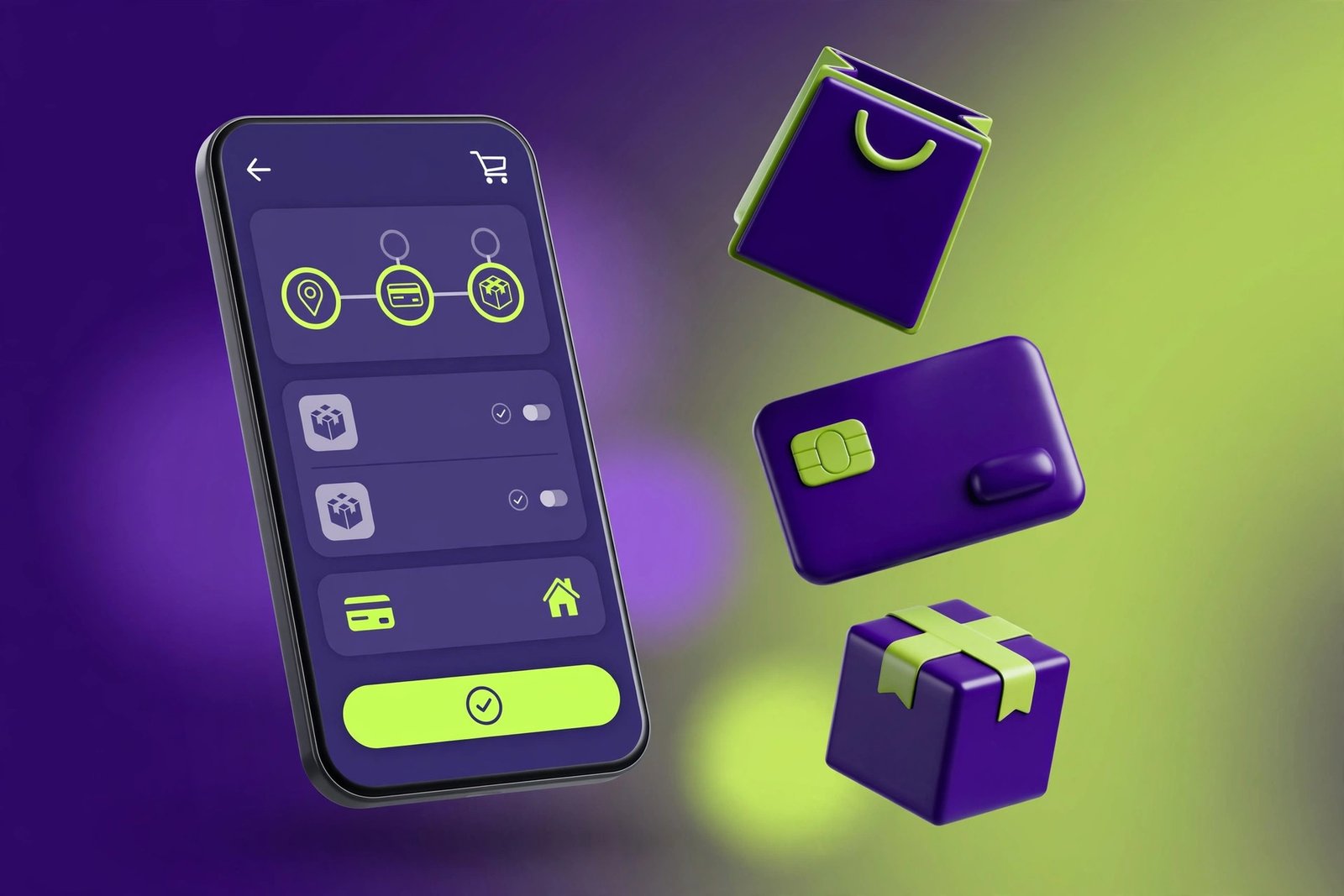
A good online store is more than a pretty homepage. It is a selling machine where every part has a job. Here are the features that matter most, explained in simple words.
Mobile-friendly design. Most shoppers in Pakistan use phones, not computers. Your store must look perfect and work smoothly on a mobile screen. Buttons must be big enough to tap. Text must be easy to read without zooming. We design for mobile first, then adjust for larger screens. Always check any demo on your own phone before approving it.
Clear product pages. Each product needs good photos, a simple description, the price, and stock status. Customers should understand what they are buying within seconds. For clothes, show size charts. For sports goods, show material and weight details. For surgical tools, show clear close-up photos. Good product pages answer questions before the customer asks them.
Shopping cart and simple checkout. Adding items to the cart should take one tap. Checkout should ask only for what is needed: name, phone, address, and payment choice. Long forms kill sales. Every extra field you add loses you some customers. We keep checkout short and test it ourselves before launch.
Payment options for Pakistan. Cash on delivery is still the most popular payment method in the country. Your store must support it. We also add bank transfer and debit or credit card options for customers who prefer paying online. Mobile wallet options can be added too. The more ways people can pay, the fewer sales you lose.
Easy order management. You get a simple dashboard where new orders appear. You can see what was ordered, by whom, and where to ship it. You can mark orders as packed, shipped, or delivered. You can update stock and change prices without touching any code. We train you on this dashboard so you feel confident from day one.
Search and filters. When your store grows to dozens or hundreds of products, customers need a way to find things fast. A search box and filters for size, color, price, and category make shopping easy. A customer looking for a large black leather jacket should find it in seconds, not after scrolling through fifty pages.
Customer accounts. Let buyers create accounts to save their addresses and see past orders. This makes repeat buying faster. It also gives you a customer list for future marketing, like telling past buyers about a new product or a sale.
Reviews and ratings. Shoppers trust other shoppers. Reviews on your product pages build confidence and answer doubts. A product with twenty good reviews sells far better than one with none. We set up a simple review system and show you how to ask happy customers to leave reviews.
Fast loading speed. Slow websites lose customers. If a page takes more than a few seconds to open, many visitors leave. We build stores that load quickly even on slow mobile internet. We compress images, use clean code, and choose good hosting. Speed is not a luxury. It directly affects your sales.
Security. Your store handles customer names, addresses, and payment details. It must be protected. We install an SSL certificate, which shows the padlock icon in the browser and keeps data safe. We also set up protection against spam orders and hacking attempts. Customers notice the padlock. It tells them your store is safe.
WhatsApp chat button. In Pakistan, many customers still want to ask a quick question before ordering. A WhatsApp button on every page lets them message you instantly. This small feature can save many sales that would otherwise be lost.
Order tracking and emails. Automatic emails or SMS messages tell customers when their order is confirmed, shipped, and delivered. This reduces the number of where is my order messages you receive. It also makes your business look professional.
Our Step-by-Step Process for Building Your Store
We keep our process simple and clear. You always know what is happening and what comes next. Here is how we build your online store from start to finish.
Step 1: Discovery call. We talk about your business. What do you sell? Who are your customers? Do you ship all over Pakistan or only in Sialkot? Do you need cash on delivery? How many products do you have? Do you have product photos, or do you need help with them? This conversation helps us understand exactly what you need. It usually takes 30 to 45 minutes, on a call or in person.
Step 2: Planning. We make a simple plan: which pages the store will have, what features it needs, and how the checkout will work. We also decide the structure of your product categories. For example, a sports goods store might have categories like footballs, cricket gear, and fitness equipment. You approve this plan before we design anything.
Step 3: Design. We create the look of your store: colors, fonts, homepage layout, and product page design. We match it to your brand. If you have a logo, we use it. If you need one, our logo designing service can create it. You review the design and ask for changes. We revise until you are happy. Nothing moves forward until you approve the look.
Step 4: Development. We build the working store: product pages, cart, checkout, payment methods, and your admin dashboard. This is the technical part, and you do not need to worry about it. We keep you updated on progress so you are never in the dark.
Step 5: Content and products. We add your products with photos, descriptions, and prices. If your product photos are not good enough, we will tell you honestly and suggest fixes, because bad photos hurt sales more than anything else. We also write or polish your key pages like About, Shipping Policy, and Return Policy. Clear policies build trust and reduce disputes.
Step 6: Testing. Before launch, we test everything. We place test orders. We check the store on different phones and browsers. We test the checkout with each payment method. We check loading speed. We fix every bug we find. A store should never launch with broken parts.
Step 7: Launch and training. We put your store live and connect your domain name. Then we train you. We show you how to add products, update prices, manage stock, and handle orders. We record the training or give you simple written steps so you can refer back later.
Step 8: Support after launch. New stores always have small issues in the first weeks. A button looks odd on one phone. A customer reports a confusing step. We stay with you after launch to fix these things. We also offer website maintenance plans to keep your store updated, backed up, and secure over time.
What to Check Before You Order an Online Store
Choosing the wrong developer wastes your money and your time. Before you hire anyone to build your store, go through this checklist. These questions will save you from trouble later.
Who owns the website? This is the most important question. Some developers keep control of your site and charge you every time you need a small change. You should own your website fully. That means the domain name is registered in your name, and you have full admin access. If a developer refuses to give you admin access, walk away.
Can I see past work on my phone? Ask to see stores the developer has built before. Open them on your own phone. Check if they load fast. Check if the design looks clean. Try adding a product to the cart. If their past work looks bad on mobile, your store will too.
Will you train me to run the store? A store you cannot manage is a store that costs you money every month. Make sure training is included. Ask what the training covers: adding products, changing prices, managing orders, and updating stock. If training costs extra, know that before you sign up.
Who provides the content? A website needs product photos, descriptions, and policy pages. Ask who writes and uploads all of this. Some developers expect you to provide everything. Others include content help. Be clear about this so there are no surprises. Also note that product photography matters a lot. Phone photos in bad light will hurt your sales no matter how good the website is.
What about hosting and domain? Your website needs a domain name and hosting to stay online. Ask who arranges these and who pays for them. The domain should be in your name. Ask what the yearly renewal costs are so you can plan ahead.
Is there a written timeline? Ask how long the project will take and get it in writing. A simple store usually takes a few weeks. If a developer promises a full store in two days, be suspicious. Good work takes time. A clear timeline also tells you the developer is organized.
What support do I get after launch? Websites need care after they go live. Ask if the developer fixes bugs for free in the first month or two. Ask what happens if the site goes down. Ask about maintenance plans and what they cost. A developer who disappears after payment is a red flag.
Are there any hidden costs? Ask for the full price in writing: design, development, content upload, training, and first-year hosting. Ask what costs extra: more products, extra features, future changes. Honest developers give clear answers. Vague answers mean surprise bills later.
Will the store be ready for Google? Your store should have basic SEO setup: proper page titles, clean URLs, and fast loading. This helps customers find you on Google. Ask if this is included or if it costs extra.
How Much Does an Online Store Cost in Sialkot?
There is no single fixed price for an online store. The cost depends on how many products you have, what features you need, and how custom the design is. Here is an honest breakdown so you know what to expect.
Starter store. This is for small businesses with up to 20 or 30 products. It includes a clean mobile-friendly design, product pages, a shopping cart, cash on delivery checkout, and basic order management. This is the right choice if you are testing online selling for the first time or you have a small product range.
Standard store. This is for growing businesses with dozens or hundreds of products. It includes everything in the starter store, plus advanced search and filters, customer accounts, reviews, multiple payment methods, discount coupons, and email notifications. Most serious retail businesses in Sialkot fall in this range.
Advanced store. This is for businesses with special needs: wholesale pricing systems, multi-language pages for foreign buyers, custom integrations with inventory software, or subscription features. The price is higher because the work is more complex and takes longer.
What affects the price most? The number of products matters, because each product page needs photos and descriptions. Custom design costs more than a standard layout. Payment gateway setup, extra languages, and special features like live chat or loyalty points all add to the cost. Content work also matters: if you need us to write all product descriptions and policies, that takes time.
Ongoing costs to plan for. After the store is built, you will have small yearly costs: domain renewal, hosting, and SSL. These are usually affordable. Many businesses also choose a monthly maintenance plan for updates, backups, and security. Think of it like shop maintenance: a small regular cost that prevents big problems.
Beware of very cheap offers. If someone offers a full online store for almost nothing, be careful. Cheap stores usually have problems: slow speed, no mobile design, copied content, or no support after launch. Fixing these problems later costs more than building the store right the first time. A store is an investment. Treat it like one.
The honest answer: it depends on your needs. The best way to know your price is to tell us about your products and what you need. We will give you a free quote with no hidden charges. Call us at +92 371 4200173 or visit our contact page to get started.
Common Mistakes Sialkot Businesses Make With Online Stores
Over the years, we have seen many online stores fail for the same avoidable reasons. Learn from these mistakes so you do not repeat them.
Mistake 1: Using bad product photos. This is the number one killer of online sales. Blurry photos, dark rooms, and messy backgrounds make even great products look cheap. Customers cannot touch your product online, so photos do all the selling. Use clear photos with good light and a clean background. Show the product from different angles. For clothes, show them on a person or a mannequin. Good photos are worth more than any fancy website feature.
Mistake 2: Copying descriptions from other websites. Some sellers copy product text from Daraz or other stores. This hurts you twice. First, Google may punish your site for duplicate content. Second, the copied text rarely describes your exact product. Write simple, honest descriptions of what you actually sell. Mention size, material, color options, and what is included in the box.
Mistake 3: No return or exchange policy. Customers in Pakistan worry about buying the wrong size or a faulty item. If your site says nothing about returns, many will not risk ordering. A clear, fair return policy actually increases sales. Most customers never use it, but knowing it exists gives them confidence to buy.
Mistake 4: Ignoring the website after launch. Some businesses launch a store and then forget it. Products go out of stock but still show as available. Prices stay old. The blog or news section is empty for a year. An outdated store tells visitors the business is not active. Update your store regularly, even if it is just adding one new product a week.
Mistake 5: No way to contact you. A store with no phone number, no WhatsApp button, and no physical address looks suspicious. Always show how customers can reach you. A real phone number like +92 371 4200173 builds more trust than any design trick. People want to know a real human is behind the website.
Mistake 6: Making checkout too hard. We have seen stores that force customers to create an account, verify email, and fill ten fields before paying. Most shoppers abandon such checkouts. Keep it simple: name, phone, address, payment method, done. You can always ask for more details later if needed.
How to Get Your First Orders After Launch
Building the store is only half the job. Now you need visitors. Here is a practical plan for getting your first orders without a big budget.
Start with people you know. Tell your existing customers about the store. If you have a physical shop, put up a small sign with the website address. If you have a WhatsApp list of past buyers, send them a message about the launch. Your first orders often come from people who already trust you.
Use your social media. Post your products on Facebook and Instagram with a link to the store. Short videos of your products work especially well. You do not need fancy equipment. A phone video showing the product clearly is enough. Post regularly, not just once.
Ask for Google reviews. When happy customers buy from your store, ask them to leave a Google review for your business. Good reviews help new customers trust you and help your store show up in local searches. This costs nothing and works for years.
Run small paid ads. Once your store works smoothly, a small budget on Facebook or Instagram ads can bring your first wave of new customers. Start small, test which products get attention, and increase spending only on what works. If ads feel confusing, an agency like ours can manage them for you.
Offer a launch discount. A simple 10 percent off for the first month gives people a reason to try your store now instead of later. Announce it clearly on the homepage. Limited-time offers create urgency and turn casual visitors into buyers.
Be patient and keep improving. Most stores do not explode in the first week. Watch which products get views. Ask customers what confused them. Fix small problems one by one. Online selling rewards businesses that keep improving, not those that expect instant results.
Ecommerce for Sialkot Exporters: Selling Retail Abroad
Sialkot exporters usually sell in bulk to foreign distributors. But there is a growing opportunity in selling retail directly to foreign customers through an online store. Instead of earning a small margin on a container of footballs, you can sell individual balls at full retail price to buyers in Europe or America.
Retail export works best for products that are light, durable, and easy to ship: gloves, leather wallets, sportswear, and small surgical kits. Start with one product line and test the demand. Use international courier services for delivery and accept card payments. Even a few dozen international orders a month can add meaningful profit, because retail margins are much higher than wholesale margins.
Your store should have an English version with prices in dollars or euros. Show international shipping clearly so foreign buyers know what to expect. Good product photos matter even more for foreign customers, because they cannot visit your factory. Many exporters run two sides of the business: bulk B2B orders through agents, and retail orders through their own store. The store also acts as a catalogue that impresses wholesale buyers when they check you out online.
If you are an exporter thinking about retail sales abroad, talk to us. We can show you examples of how other Sialkot businesses set up their stores for foreign buyers, and we will give you an honest opinion about whether your products suit online retail. Sometimes the answer is yes, and sometimes a simple catalogue site is the better first step.
Frequently Asked Questions
How long does it take to build an online store?
A simple store usually takes 2 to 4 weeks from start to launch. Larger stores with many products or custom features can take 6 to 8 weeks. The biggest factor is often content: if your product photos and descriptions are ready, the project moves fast. If we have to wait for them, it takes longer. We give you a clear written timeline before we start.
Do I need to know coding to run my store?
No. We build stores with a simple admin panel. You can add products, change prices, update stock, and view orders just by clicking buttons and filling forms. It is no harder than using Facebook. We also train you after launch and give you simple written steps to refer back to.
How do customers pay on my store?
Cash on delivery is the most popular option in Pakistan, and every store we build supports it. We can also add bank transfer and debit or credit card payments. Mobile wallet options can be added if you want them. During our first call, we help you choose the payment methods that fit your customers best.
Will my store work on mobile phones?
Yes. Every store we build is fully mobile-friendly. We design for phones first because most of your customers will shop on mobile. Before launch, we test the store on different phones and screen sizes to make sure everything looks right and works smoothly.
Can I sell to customers outside Pakistan?
Yes, if you can ship internationally. We can set up your store to show prices in other currencies and add international shipping options. Many Sialkot exporters use their online store for retail buyers abroad while handling big wholesale orders separately. Just tell us during planning that you want international selling, and we will build for it.
What is the difference between an online store and a catalogue website?
An online store lets customers pay and complete the order on the website. A catalogue website only shows products, and customers contact you to ask for prices or place orders. Stores suit fixed-price retail products. Catalogue sites suit manufacturers and exporters whose prices change with order size. Some businesses use both: a store for retail and a catalogue section for wholesale buyers.
Who will add my products to the website?
We add your products during the build, including photos, descriptions, and prices. You provide the product information and photos. If your photos are not good enough, we will tell you honestly and suggest how to improve them. After launch, adding new products yourself is easy, and we train you to do it.
How do I handle delivery and shipping?
Most of our clients ship through local courier companies. During checkout, the customer enters their address, and you book the courier from your side. We can add shipping charges based on city or order value. For cash on delivery orders, the courier collects the payment and transfers it to you. We explain the full process during training.
What if my website stops working or gets hacked?
We build stores with security protection and regular backups. If something breaks, backups let us restore your store quickly. We fix bugs free of charge in the period right after launch. For long-term peace of mind, we offer maintenance plans that cover updates, security checks, and backups so small problems never become big ones.
Can I start small and add more features later?
Yes, and this is often the smartest approach. Start with a clean store that covers the basics: products, cart, checkout, and order management. As your sales grow, add features like customer accounts, discount coupons, reviews, or a second language. Building in stages keeps your initial cost lower and lets you invest more once the store is earning.
Start Selling Online Today
An online store is one of the best investments a product business can make. It works day and night. It reaches customers in every city. It cuts out middlemen and builds your brand. The businesses that start early get the biggest head start.
If you are ready to take your Sialkot business online, Advert Solutions is here to help. We build stores that are fast, beautiful, and easy to run, and we stay with you after launch.
Get a free quote today. Call us at +92 371 4200173 or reach out through our contact page. Tell us about your products, and we will tell you exactly what your store will cost and how long it will take. Let us build a store that sells while you sleep.
We do this for businesses.
Get a free consultation — we'll map the fastest path for you.