
Ecommerce Product Image Designing in Sialkot
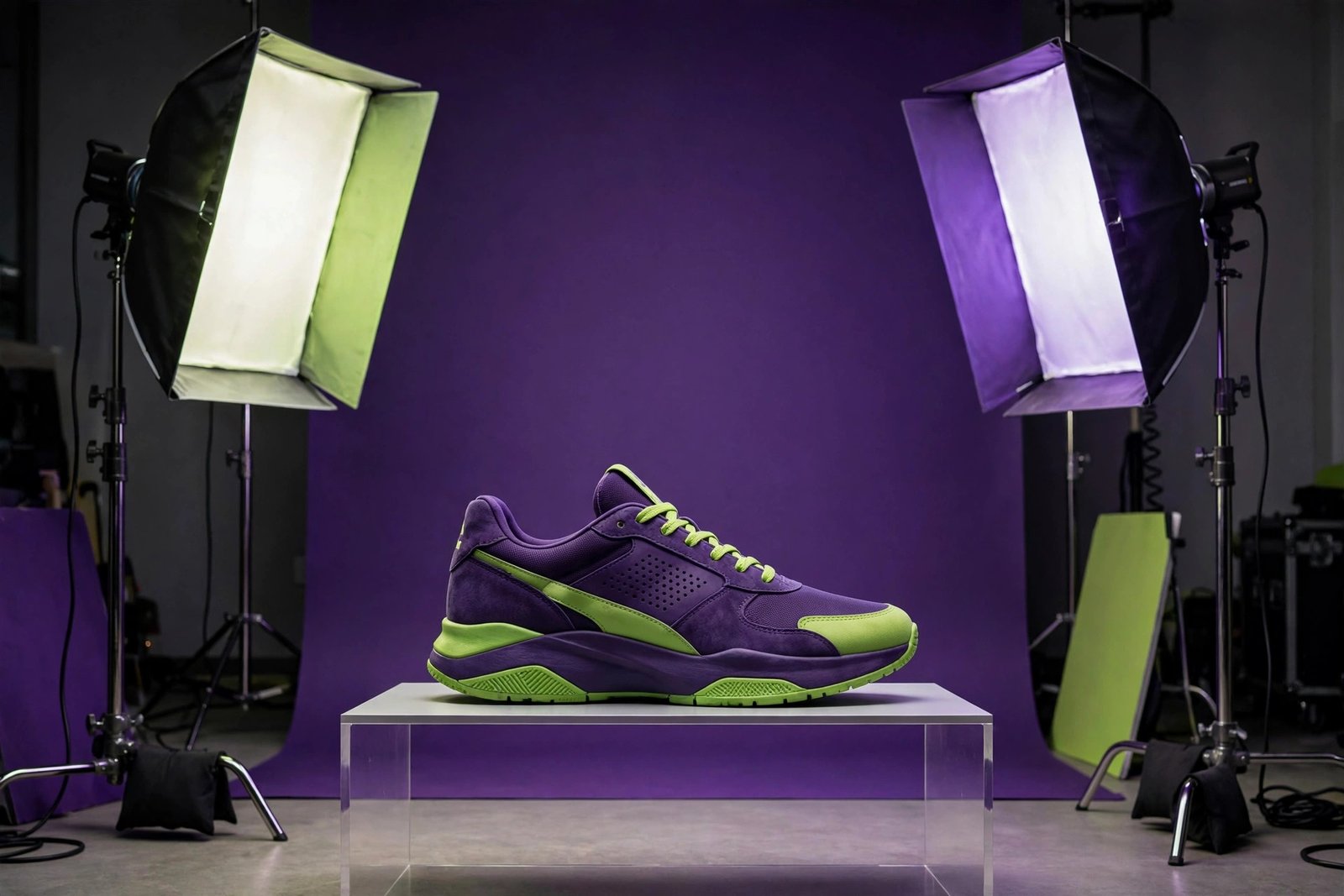
When someone shops online, they cannot touch your product. They cannot hold it, turn it around, or feel its quality. All they have are your images. In those few seconds of scrolling, your product photos decide everything: does the shopper stop and look, or keep scrolling past?
This is true for every online seller — whether you run a Shopify store, sell on Daraz, list products on Amazon, or take orders through Instagram and WhatsApp. Your product images are your shop window, your salesperson, and your quality certificate, all in one. Blurry, dark, or inconsistent photos tell shoppers your products are not worth their money, even when the products themselves are excellent.
At Advert Solutions, we design ecommerce product images that showcase your products clearly and beautifully — clean backgrounds, professional lighting looks, lifestyle scenes, infographic overlays, and marketplace-ready formats. In this comprehensive guide, we will explain why product images decide your online sales, which types of product visuals we create, how our process works, what makes a product image sell, how to optimize for different platforms, which mistakes to avoid, and what professional product image design costs in Sialkot.
Why Product Images Decide Your Online Sales
In a physical shop, customers pick up products, feel the material, and ask the shopkeeper questions. Online, none of that exists. Your images must do all of that work. Let us look at exactly how product images affect your sales.
Images are the first thing shoppers notice. On Daraz, Amazon, or Instagram, shoppers scroll through dozens of products in a minute. Your product image has a fraction of a second to stop the scroll. A bright, clean, professional image stands out among dull ones. A dark or blurry image gets skipped without a second thought. Before price, before reviews, before descriptions — the image decides whether your product gets a click.
Good images build trust. Online shoppers are naturally cautious. They worry: Will the product look like the photo? Is the quality good? Is this seller reliable? Professional, detailed product images answer these fears. Multiple angles, close-up detail shots, and lifestyle photos show you have nothing to hide. When shoppers trust what they see, they buy with confidence. Poor images do the opposite — they make even honest sellers look suspicious.
Images reduce returns and complaints. Many returns happen because the product "looked different in the photos." Accurate, detailed images — showing true colors, real size references, and honest details — set correct expectations. When customers receive exactly what they expected, returns drop and positive reviews grow. Good product images are one of the cheapest ways to reduce return rates.
Marketplaces reward good images. Daraz, Amazon, and other platforms promote listings with high-quality images. Better images mean higher click-through rates, and platforms show popular listings to more shoppers. Some platforms even have image requirements — white backgrounds, minimum sizes, no watermarks. We design images that meet every platform's rules so your listings never get suppressed.
Consistent images build your brand. When all your product photos share the same style — same backgrounds, same lighting feel, same layout — your store looks professional and trustworthy. Inconsistent images, where every photo looks like it came from a different seller, make your store feel random and unreliable. We create a consistent visual system for your entire product range.
Images sell on social media. On Instagram, Facebook, and TikTok, your product images compete with entertainment. Only striking visuals stop the scroll. We design social-ready product images — lifestyle shots, creative flat-lays, attention-grabbing compositions — that work as both store listings and social media posts.
Detail shots answer questions. Shoppers zoom in. They want to see the stitching on a wallet, the texture of fabric, the clasp on a bag, the finish on a surgical instrument. High-quality detail shots let them inspect your product almost like holding it. This is especially important for Sialkot's manufacturers selling sports goods, leather products, and instruments online — quality is your selling point, and detail shots prove it.
Infographic images educate quickly. Modern ecommerce listings use infographic-style images: dimensions marked on the product, features labeled with icons, size comparisons, what's-in-the-box visuals. These images answer common questions instantly and reduce the need for shoppers to read long descriptions. We design these information-rich images as part of our product image service.
Good images justify your price. Two sellers offer similar products. One has professional photos; the other has phone snapshots. The professional seller can charge more — and shoppers will pay it — because the images communicate quality. If you compete on quality rather than price, your images must show that quality clearly.
Your product images are not just pictures. They are the hardest-working part of your online store. Invest in them like the sales tool they are.
Types of Ecommerce Product Images We Design
Different images serve different purposes in an online listing. A complete product listing usually needs several image types working together. Here are the main types we design.
Clean white-background shots. The standard for marketplaces. Your product on a pure white background, evenly lit, sharply focused, centered. Amazon and Daraz require or prefer these as the main image. We create perfect white-background images — clean edges, no shadows or gray tints, correct proportions. These images look professional and let the product speak for itself.
Lifestyle images. Your product shown in real-life settings: a leather wallet in someone's hand, sports gloves on a field, a backpack on a hiking trail, kitchen tools in a modern kitchen. Lifestyle images help shoppers imagine owning the product. They create desire in a way that white-background shots cannot. We design lifestyle scenes that feel natural and aspirational, matched to your target customers.
Detail and close-up shots. Zoomed-in views of what makes your product special: stitching, texture, materials, craftsmanship, engraved logos, quality finishes. For Sialkot's manufacturers, these shots are gold — they prove the quality that justifies your price. We design detail shots with dramatic, flattering presentation that highlights craftsmanship.
Infographic feature images. Product photos enhanced with labels, icons, and callouts: dimensions, materials, features, benefits. For example, a backpack image showing "water-resistant," "laptop compartment," and "30L capacity" with clean icons. These images educate shoppers at a glance and work brilliantly as second or third listing images. We design them in your brand style with clear, readable graphics.
Size and scale references. One of the biggest online shopping frustrations is receiving a product much smaller or larger than expected. We design images showing your product next to common objects or with clear dimension markings. A wallet next to a phone, a bag with height markings — these honest scale references build trust and cut returns.
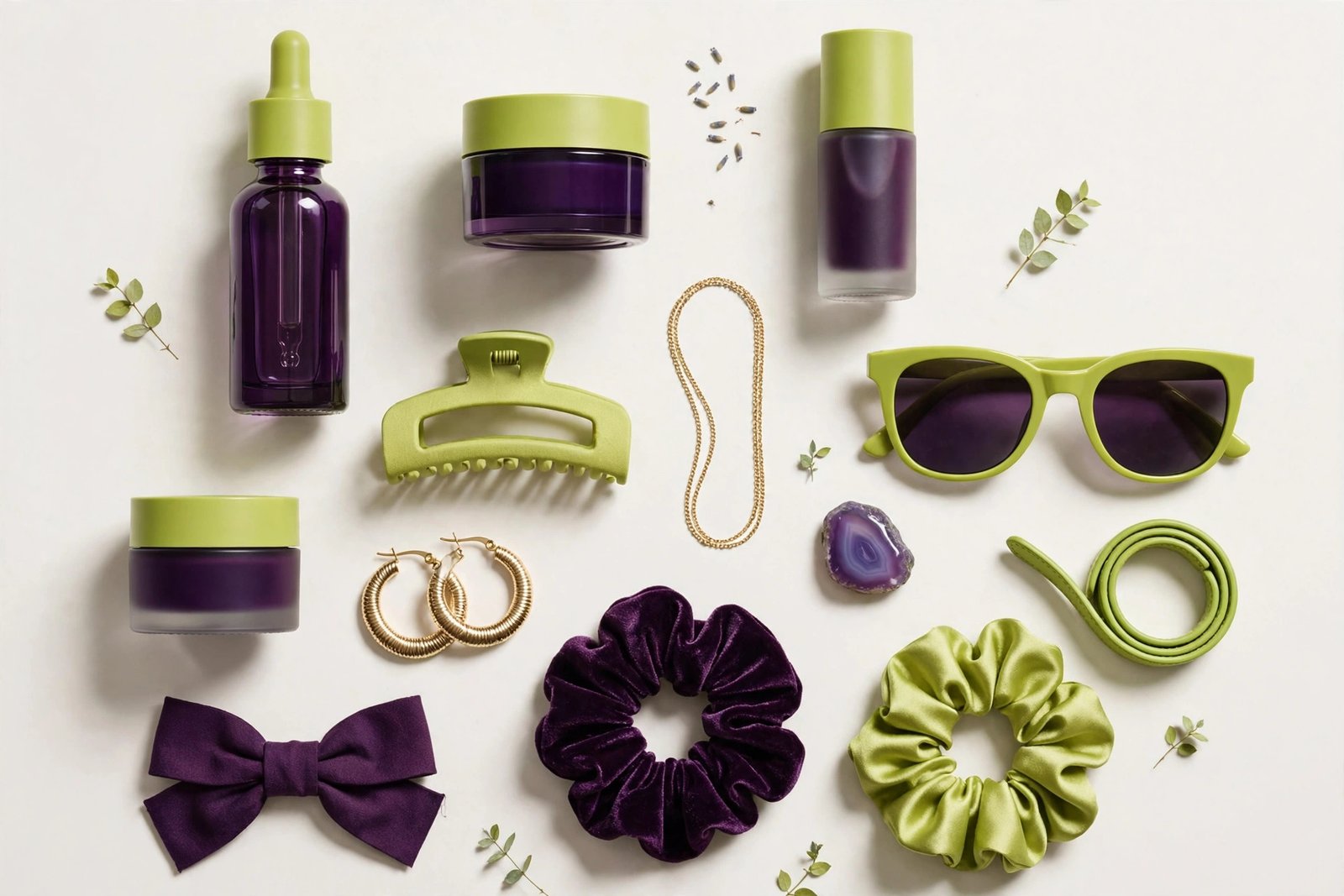
What's-in-the-box images. Showing everything the customer receives: the product, accessories, packaging, manuals. These images set clear expectations and make the offer feel generous and complete. We arrange these as attractive flat-lay compositions.
Bundle and variant images. If you sell sets, bundles, or products in multiple colors, we design images showing all options clearly. Color variant grids, bundle arrangements, "choose your color" visuals — all designed for easy understanding.
Before-and-after and comparison images. For products with visible benefits — cleaning tools, beauty products, organizers — we design honest comparison visuals. These must be truthful; we never create misleading comparisons. Done right, they are extremely persuasive.
Brand story images. Images that communicate your brand: your workshop, your materials, your process, your team. For manufacturers, "made in Sialkot" craftsmanship stories resonate with buyers. We design these narrative images for your store's brand section and About page.
Social media product creatives. Square and vertical formats optimized for Instagram, Facebook, and TikTok: eye-catching product shots with promotional text space, sale announcements, new arrival posts. These bridge your store listings and your social marketing. For businesses that also need packaging visuals, our packaging mockup design service creates matching product-and-packaging imagery.
A strong listing typically uses five to seven images mixing these types: a white-background main image, lifestyle shots, details, infographics, and scale references. We design complete image sets so your listings look professional from every angle.
Our Product Image Design Process, Step by Step
Great product images come from a clear process, not luck. Here is exactly how we work, from your raw product photos to polished, sales-ready images.
Step 1: Understanding your products and platforms. We start by learning what you sell and where you sell it. Daraz has different image rules than Amazon; Instagram needs different formats than Shopify. We also learn about your customers — who buys your products and what matters to them. This shapes every creative decision.
Step 2: Reviewing your existing photos. You share your current product photos — phone pictures are fine to start. We assess what we have: which photos are usable, which need work, what is missing. We tell you honestly if new photography is needed or if we can enhance what you have. Many clients are surprised how much we can improve existing photos with professional editing.
Step 3: Planning the image set. For each product, we plan which images to create: main white-background shot, angles needed, lifestyle concepts, detail shots, infographic points. This shot list ensures nothing is missed and keeps the project organized, especially for stores with dozens of products.
Step 4: Background removal and cleanup. We cut out your products cleanly from their backgrounds — precise edges, no halos, no jagged lines. Then we clean up: removing dust, scratches, and imperfections; fixing colors to match the real product; sharpening details. This technical foundation is what separates professional images from amateur ones.
Step 5: Creating the white-background masters. Each product gets a perfect marketplace-ready main image: pure white background, even lighting look, correct proportions, sharp focus throughout. These meet Amazon, Daraz, and general marketplace requirements.
Step 6: Designing lifestyle and creative shots. Using your product cutouts, we build lifestyle scenes: realistic backgrounds, natural shadows, attractive compositions. We also create flat-lays, bundle arrangements, and creative compositions for social media. Every scene is designed to flatter your specific product.
Step 7: Building infographic images. We add the information layer: dimension lines, feature callouts, icons, benefit labels — all in your brand style. Text is kept short and readable even on phone screens. Every claim is based on information you provide; we never invent product details.
Step 8: Platform formatting. We export every image in the right sizes and formats for each platform: Amazon's 2000px zoom-ready files, Daraz's specifications, Instagram squares and stories, website banners. You receive organized folders labeled by platform so uploading is effortless.
Step 9: Your review and revisions. You review all images — checking product accuracy, colors, text, and overall feel. We revise based on your feedback. Color accuracy is especially important: the image must match the real product, or returns will follow.
Step 10: Final delivery. You receive all final images organized by product and platform, plus source files for future edits. When you add new products later, we match the same style for perfect consistency.
A single product's complete image set typically takes 2 to 4 working days. Larger catalogues are scheduled in batches — we often deliver in weekly batches so you can start listing while we continue working.
What Makes a Product Image Sell
Behind every high-converting product image are specific principles. Understanding them helps you judge quality and brief designers effectively. Here is what we build into every image.
Accurate color. The image must show the product's true color. Shoppers who receive a different shade feel cheated — even if the product is fine. We color-correct carefully against your product's real appearance. When in doubt, we check with you before finalizing.
Sharp focus where it matters. The product must be tack-sharp. Soft or blurry product photos suggest low quality — in the photo and, by association, in the product. We ensure critical details are crisp, especially in close-up shots.
Flattering but honest lighting. Good lighting reveals the product's best qualities: the sheen of leather, the weave of fabric, the polish of metal. But it must not hide flaws or misrepresent. We aim for the most attractive honest presentation — never deceptive.
The right angles. Front, side, back, top, detail — shoppers want to see the product completely. We include all meaningful angles so there are no surprises on delivery. For complex products, more angles are always better.
Clean, distraction-free backgrounds. The product is the hero. Backgrounds should support, never compete. White for marketplaces, subtle lifestyle settings for social, consistent brand backgrounds for your store. Cluttered backgrounds make products look cheap.
Proper proportions. The product should fill the frame appropriately — not tiny in a corner, not cropped awkwardly. Correct sizing makes listings look professional and helps shoppers assess the product.
Readable text on infographics. Any text on images must be readable on a phone screen, since most shopping happens on mobile. We test text sizes at mobile scale and keep wording short.
Consistency across the catalogue. Same background style, same lighting feel, same image dimensions across all products. This consistency is what makes a store look established and trustworthy rather than thrown together.
Emotional appeal in lifestyle shots. Beyond showing the product, lifestyle images should make shoppers feel something: aspiration, comfort, excitement, pride. We compose lifestyle scenes with this emotional layer in mind — the right setting, the right mood, the right story.
When all of these come together, the result is product imagery that does not just show — it sells.
Platform Guide: Optimizing Images for Where You Sell
Each selling platform has its own image rules and shopper behavior. We optimize your images for every platform you use. Here is what matters where.
Daraz. Pakistan's biggest marketplace. Main images should have clean backgrounds — white or light. Minimum resolution requirements apply. Lifestyle and infographic images work well as secondary images. Daraz shoppers compare aggressively on price, so your images must justify your price through visible quality. We also design Daraz store banners and campaign images for sales events like 11.11.
Amazon. The strictest image rules: pure white background (RGB 255,255,255) for the main image, minimum 2000px on the longest side for zoom, no text or graphics on the main image, product filling 85% of the frame. Secondary images allow infographics and lifestyle. We know Amazon's requirements precisely and design compliant listings that never get suppressed.
Shopify and own websites. More creative freedom — your store, your rules. But consistency matters even more because the entire shopping experience is your brand. We design cohesive image systems: hero banners, product grids, detail pages, all in one visual language. Website images also need optimization for fast loading without quality loss.
Instagram and Facebook shops. Square formats, thumb-stopping creativity, lifestyle-first. Social shoppers buy on impulse, so images must create instant desire. We design social product creatives with bold compositions and promotional flexibility — space for sale text, new arrival badges, and campaign themes.
WhatsApp catalogues. Huge in Pakistan for direct selling. Images must be clear at small phone sizes, load fast on slow connections, and include key info (price, variants) since WhatsApp shoppers ask fewer questions when images answer them. We design WhatsApp-optimized product images with readable text and compact file sizes.
TikTok and video thumbnails. If you market with video, you need striking thumbnails. We design product thumbnails optimized for TikTok's vertical format — bold, simple, curiosity-driving.
The key insight: one image does not fit all platforms. We create platform-specific versions from the same product assets, so you look professional everywhere you sell.
Real Examples: Product Images That Grow Online Sales
Here are typical projects showing how professional product images transform online selling.
The leather wallet brand on Daraz. A Sialkot leather goods maker was selling wallets on Daraz with phone photos — dark, inconsistent, unappealing. Sales were flat. We created complete image sets: white-background mains, lifestyle shots of wallets in use, close-ups of stitching and leather grain, infographic images showing card slots and dimensions. Their click-through rate improved dramatically, and within two months their best wallet became a category bestseller. Same product, same price — only the images changed.
The sports goods exporter on Amazon. A football manufacturer wanted to sell directly on Amazon. We designed Amazon-compliant listings: pure white main images at 2000px, infographic images showing ball construction and size guide, lifestyle shots on the pitch. Their listings passed Amazon's review first time, and the professional presentation helped them compete against established brands despite being new sellers.
The surgical instruments supplier's catalogue. A surgical instruments company needed product images for their website and PDF catalogues. Precision matters in this industry — buyers zoom in to check finishes and craftsmanship. We created ultra-clean product shots with dramatic detail close-ups showing the quality of steel and finishing. Their website now looks like a premium medical brand, and international inquiries increased.
The Instagram boutique. A women's accessories seller on Instagram was posting inconsistent phone photos. We designed a cohesive visual style: warm lifestyle backgrounds, consistent flat-lay compositions, branded story templates. Her profile transformed from random to curated. Followers grew, and more importantly, the profile started converting followers into customers — because it finally looked like a real brand.
The WhatsApp seller's catalogue. A home-based seller taking orders on WhatsApp needed product images that sold without explanation. We designed compact, informative images: clear product shots with price, available colors, and key features right on the image. Her customers started ordering directly from the catalogue images without the usual twenty questions. Faster decisions, more orders.
In every case, the pattern holds: better images, better sales. The product did not change. The presentation did.
Common Product Image Mistakes to Avoid
We see the same product image mistakes across hundreds of online stores. Here is what to avoid.
Mistake 1: Dark, blurry phone photos. The most common and most damaging mistake. If shoppers cannot see your product clearly, they will not buy it. Every product deserves at least clean, bright, sharp images.
Mistake 2: Inconsistent styles. Every product photo looking different — different backgrounds, different lighting, different sizes — makes your store look unprofessional. Consistency is free; it just takes planning.
Mistake 3: Only one photo per product. A single image leaves shoppers with unanswered questions. Multiple angles, details, and lifestyle shots are the online equivalent of picking up the product in a shop.
Mistake 4: Misleading images. Filters that change colors, angles that hide flaws, stock photos instead of your actual product — these create returns, bad reviews, and lost trust. Honest images sell better in the long run.
Mistake 5: Ignoring mobile. Most online shopping happens on phones. Images designed only for desktop — with tiny text or wide compositions — fail on mobile. We design mobile-first, always.
Mistake 6: Wrong image sizes. Uploading huge files slows your website; uploading tiny files looks blurry. Each platform has ideal specifications. We deliver correctly sized files for every use.
Mistake 7: No scale reference. Shoppers constantly misjudge size from photos alone. Without scale references, you invite disappointment and returns.
Mistake 8: Cluttered backgrounds. Busy backgrounds distract from the product and look unprofessional. The product should always be the clear hero of every image.
Mistake 9: Forgetting the brand. Generic product photos could belong to any seller. Branded touches — consistent style, logo placement, brand colors in infographics — build recognition and loyalty.
Mistake 10: Never updating images. Old, dated product photos drag down even good products. Refresh your key product images regularly, especially bestsellers.
Avoiding these ten mistakes puts your store ahead of most competitors. Professional design takes you further.
What to Check Before Hiring a Product Image Designer
Product image design needs both technical skill and commercial understanding. Check these points before hiring:
- Ask to see before-and-after examples. The best proof of skill is transformation: raw client photos versus finished images. Ask to see these comparisons.
- Check marketplace knowledge. The designer should know Amazon's and Daraz's image requirements specifically. Ask them to explain the rules — a knowledgeable answer tells you everything.
- Look for consistency in their portfolio. Do their product image sets look cohesive? Or does every image feel random? You want a designer who builds systems, not one-offs.
- Confirm color accuracy practices. Ask how they ensure image colors match real products. This is critical for reducing returns.
- Ask about turnaround for catalogues. If you have 50 products, how will they schedule the work? Batch delivery plans matter for large catalogues.
- Check file organization. You should receive images organized by product and platform — not a messy folder of random files.
- Discuss revisions. Product images often need tweaks after you see them in your actual listings. Confirm revisions are included.
- Ask about source files. Confirm you will receive editable source files so future updates and new products can match the same style.
The right designer understands that product images are sales tools, not art projects. Every creative choice should serve the goal of selling more.
How to Photograph Products With Your Phone: A Practical Guide
Not everyone can hire a photographer for every product. The good news: a modern phone camera is enough for solid raw photos — if you follow a few simple rules. Since we enhance client photos professionally, better raw photos mean better final images. Here is how to take the best possible product photos with just your phone.
Use natural daylight. Place your product near a large window during daytime. Natural light is soft, even, and flattering — far better than harsh indoor bulbs or yellow shop lights. Avoid direct harsh sunlight, which creates strong shadows; bright indirect daylight near a window is ideal. Never use your phone's flash for product photos — it creates ugly hotspots and harsh shadows.
Create a simple background. A large white sheet, white chart paper, or a plain white wall works perfectly. The background should be clean and uncluttered — no patterns, no objects, no distractions. For a professional look, curve the paper so there is no visible line where the surface meets the wall behind it.
Keep the phone steady. Blurry photos usually come from shaky hands. Rest your phone on a stack of books, a tripod, or any stable surface. Use the phone's timer (2 or 3 seconds) so pressing the shutter button does not shake the shot. Tap the screen on your product to lock focus before shooting.
Shoot from multiple angles. Take front, side, back, top, and close-up shots of every product. More angles give us more to work with and ensure nothing important is missed. It takes two extra minutes and dramatically improves the final image set.
Clean the product first. Dust, fingerprints, and smudges show up clearly in photos. Wipe down your product before shooting — especially leather, metal, and glossy surfaces. A microfiber cloth takes ten seconds and saves significant editing time.
Use the highest resolution. Check your camera settings and shoot at maximum resolution. Bigger files give us more detail to work with, especially for close-ups and marketplace zoom requirements. Do not worry about file size — we handle optimization later.
Avoid heavy filters. Do not apply Instagram filters or beauty modes to product photos. Filters change colors and hide details — exactly what we do not want. Send us the natural, unfiltered photos and let professional editing handle the enhancement.
Photograph in batches. Set up once and shoot all your products in one session. Consistent lighting and background across the batch makes the final images naturally consistent — which is half the battle in catalogue design.
Follow these eight rules and your phone photos will be genuinely good raw material. Then our professional editing — background cleanup, color correction, compositing, infographics — turns them into marketplace-ready images that rival expensive photo shoots.
Ecommerce Product Image Pricing in Sialkot
We do not publish fixed prices, and we will tell you honestly why. A single product's image set is a very different project from a 200-product catalogue with lifestyle shoots and infographics. Fixed pricing would be meaningless across that range.
Here is what determines the cost:
- Number of products. The biggest factor. Per-product pricing usually decreases with volume — a 100-product catalogue costs less per product than five products.
- Images per product. A basic set (main image plus two angles) costs less than a complete set (seven images with lifestyle and infographics).
- Starting photo quality. Good raw photos need less cleanup work. Very poor photos that need heavy editing and reconstruction take longer.
- Lifestyle complexity. Simple background swaps are fast. Elaborate custom lifestyle scenes take more creative time.
- Infographic depth. Basic feature labels are quick. Detailed technical infographics with custom icons take longer.
- Platform count. Images for one platform versus optimized sets for five platforms — more deliverables mean more work.
- Urgency. Standard scheduling keeps costs normal. Rush jobs for urgent launches may cost more.
To give you a rough sense: basic image sets for a handful of products are the most accessible projects — ideal for testing the service. Complete image sets for growing catalogues are mid-range investments that transform how your store looks. Large catalogue overhauls with hundreds of products are significant projects, usually scheduled in batches, with volume pricing.
What we promise is honest, transparent pricing. You receive a written quote based on your product count and requirements before any work starts. No hidden charges. For large catalogues, we quote per-batch so you can start with a test batch before committing to the full project.
One honest calculation: consider what better images are worth. If professional images lift your conversion rate even slightly, the additional sales quickly exceed the design cost. For most online sellers, product image design is among the highest-return investments available — it improves every listing, every ad, and every social post simultaneously.
Want an exact price? Contact us for a free quote or call +92 371 4200173. Tell us how many products you have, where you sell, and what you need. We will reply with a clear quote quickly — free, with no obligation. Many clients start with a small test batch to see the quality before scaling up.
Frequently Asked Questions
How long does it take to design product images?
A complete image set for a single product typically takes 2 to 4 working days. For catalogues, we work in batches — usually 10 to 20 products per week depending on complexity. A 100-product catalogue might take 5 to 8 weeks in scheduled batches. We deliver batch by batch so you can start listing finished products while we continue working on the rest.
Do I need professional product photography first?
Not necessarily. We work with your existing photos — even phone pictures — and enhance them professionally: background removal, cleanup, color correction, and creative compositing. If your photos are extremely poor, we will tell you honestly and advise on simple ways to take better raw photos with a phone. In most cases, good editing bridges the gap without expensive photo shoots.
Will the image colors match my real products?
Yes — color accuracy is a priority, not an afterthought. We color-correct every image against your product's real appearance, and we check critical colors with you during review. Accurate color is essential because wrong colors cause returns and bad reviews. We would rather spend extra time on color than deliver a beautiful but inaccurate image.
Can you design images for Amazon's requirements?
Yes. We know Amazon's image rules precisely: pure white main images, 2000px minimum for zoom, no text on main images, proper product framing. Our Amazon image sets pass review the first time. We also design compliant secondary images — infographics, lifestyle, detail shots — that follow Amazon's policies for additional images.
What about Daraz image requirements?
Yes, we design for Daraz too: clean main images, proper resolutions, and compelling secondary images. We also create Daraz store banners and campaign creatives for sales events. Since many Sialkot sellers use Daraz as their primary channel, we have deep experience with what works on the platform.
How many images do I need per product?
We recommend five to seven: a white-background main image, two to three angle shots, one or two detail close-ups, one lifestyle image, and one infographic image. This combination answers shoppers' questions and builds trust. For simple products, five is enough; for complex or premium products, seven or more works better. We advise per product based on what it needs.
Can you keep the same style across my whole catalogue?
Absolutely — consistency is one of the main reasons to hire us. We establish a visual system for your brand: backgrounds, lighting feel, infographic style, typography. Every product, present and future, follows the same system. When you add new products later, we match the established style perfectly.
Do you design images for social media too?
Yes. Along with listing images, we create social-ready versions: Instagram squares and stories, Facebook posts, TikTok thumbnails. These use the same product assets in more creative, attention-grabbing compositions suited to social feeds. Many clients use our images across their store, ads, and social media for one consistent brand presence.
What file formats will I receive?
You receive web-optimized JPGs and PNGs sized for each platform, organized in clearly labeled folders by product and platform. We also provide source files for future edits. Everything is ready to upload — no technical work needed on your side.
Do you work with sellers outside Sialkot?
Yes. We design product images for online sellers across Pakistan and internationally. The entire process — sharing photos, reviewing designs, receiving files — happens online. Your location never affects quality or turnaround.
Showcase Your Products Like They Deserve
Your products deserve better than blurry phone photos. In online selling, your images are your storefront, your salesperson, and your quality promise. Professional product images stop the scroll, build trust, reduce returns, and ultimately sell more — across every platform where you do business.
At Advert Solutions, we combine technical image expertise with commercial understanding. We do not just make your products look beautiful; we make them look buyable. Every background choice, every angle, every infographic label is designed to move shoppers from browsing to buying.
Whether you sell on Daraz, Amazon, your own website, Instagram, or WhatsApp — or all of them — professional product images are one of the smartest investments you can make in your online business. Start with a small batch, see the difference in your listings, and scale from there.
Ready to transform your product images? Get a free quote today or call us at +92 371 4200173. Tell us about your products and where you sell — we will design images that showcase them at their best.
We do this for businesses.
Get a free consultation — we'll map the fastest path for you.