
Packaging Mockup Designing in Sialkot
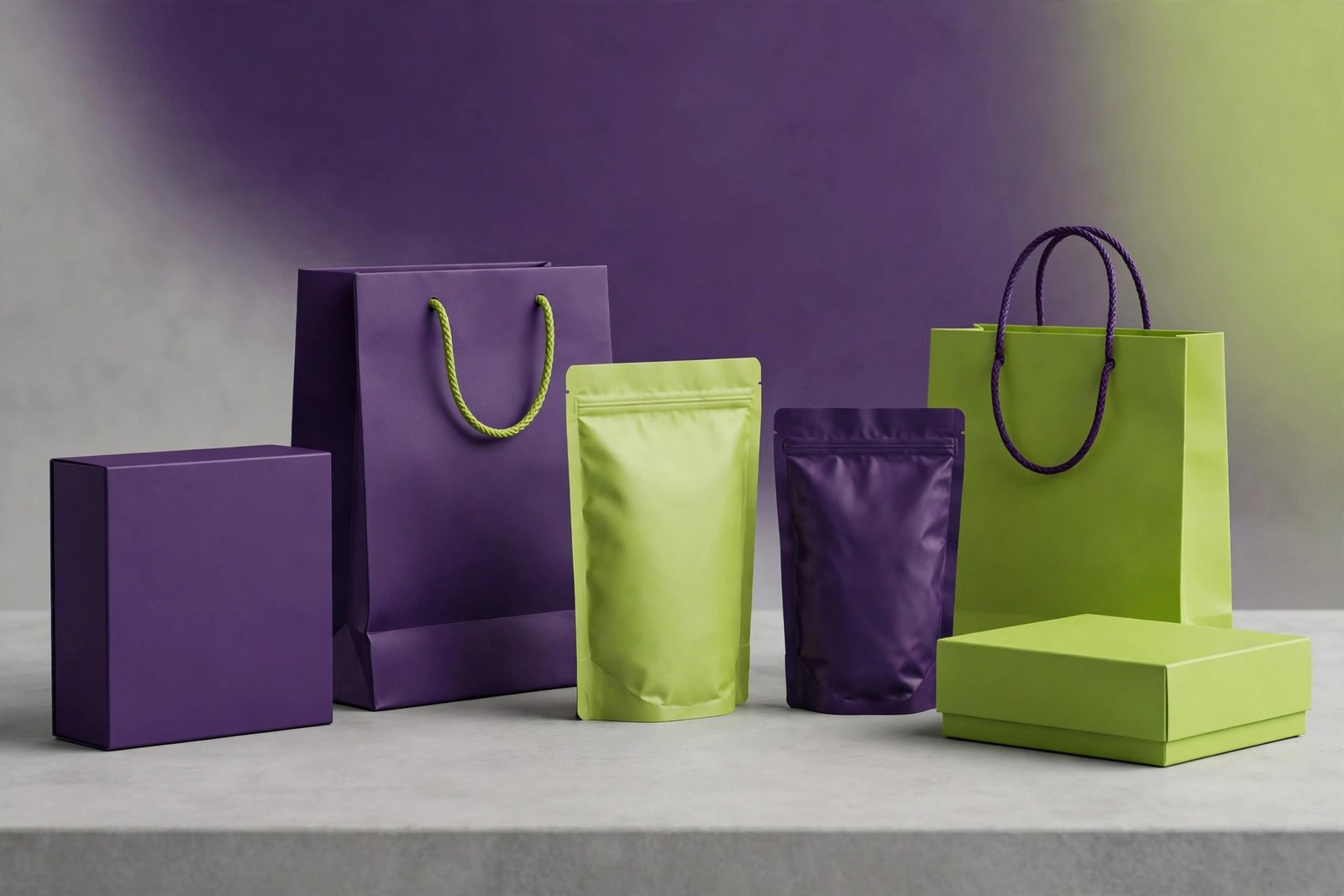
Before you print ten thousand boxes, would you not like to see exactly how they will look? That is what a packaging mockup does. It is a realistic preview of your packaging — your box, your pouch, your label, your bag — shown as a lifelike image before a single unit goes to print.
For manufacturers and brands in Sialkot, packaging mockups are one of the smartest investments you can make. Sialkot is a city of makers: sports goods, surgical instruments, leather products, food items, cosmetics. Every one of these products needs packaging, and packaging mistakes are expensive. A mockup lets you catch problems early, show your design to buyers and partners, and approve the final look with full confidence.
At Advert Solutions, we design realistic packaging mockups that look like professional product photography. In this guide, we will explain why mockups matter, which types of packaging mockups we create, how our process works, how local manufacturers use mockups to win orders, which mistakes to avoid, and what packaging mockup design costs in Sialkot.
Why Packaging Mockups Matter for Your Business
A packaging mockup is a realistic digital preview of your packaging design. It shows your box, bag, pouch, or label as it would look in real life — with your colors, your logo, your text, and your images — before you spend money on printing. Here is why that matters so much.
See it before you print it. This is the biggest reason. Printing packaging in bulk is expensive. If the design has a problem — colors that clash, text that is too small, a logo placed badly — you only discover it after paying for thousands of units. A mockup shows you the finished look in advance. You can spot issues, request changes, and approve the design with confidence. The small cost of a mockup can save you from a very expensive printing mistake.
Show buyers a professional preview. If you are a manufacturer dealing with international buyers, mockups are extremely powerful. Instead of describing your packaging in an email, you send a realistic image that looks like a photograph of the finished product. Buyers respond to visuals. A professional mockup makes your offer look serious and helps you win orders, especially when the buyer is choosing between you and a competitor.
Get approvals faster. When a brand owner, a partner, or a senior manager needs to approve packaging, a mockup makes the decision easy. They see exactly what the packaging will look like — no imagination required. This speeds up approvals and reduces the back-and-forth that delays production.
Use mockups in catalogues and presentations. Realistic mockup images work beautifully in product catalogues, company profiles, and sales presentations. They make your products look finished and professional even before mass production begins. Many of our clients use mockup images in their catalogue designs to present new products to buyers.
Test different designs cheaply. Should the box be red or blue? Should the logo be bigger? With mockups, you can see three or four design options side by side and compare them properly. Testing with real printed samples would cost far more and take much longer.
Build your online presence. If you sell on Amazon, Daraz, or your own website, you need attractive product images. Packaging mockups give you professional-looking product shots without expensive photography. They are also perfect for social media announcements when you launch a new product. For complete online visuals, many brands pair mockups with our ecommerce product image design service.
Check readability and details. On a flat design file, it is hard to judge how small text will look on a real box. A realistic mockup shows you the packaging at true proportions, so you can check whether the ingredients list, the barcode area, and the contact details are readable. This is especially important for food and cosmetic packaging, where legal text must be legible.
In short, a mockup turns guesswork into certainty. You see the result before you commit, and that confidence is worth far more than the cost of the design.
Types of Packaging Mockups We Design
Different products need different packaging, and we create realistic mockups for all of them. Here are the main types we design for manufacturers and brands in Sialkot.
Product boxes. The most common request. We design mockups for folding cartons, rigid boxes, and shipping boxes — shown from multiple angles so you can see the front, sides, and top. Common uses include sports goods packaging, surgical instrument boxes, cosmetic boxes, and food product cartons. We show your box exactly as it will look on a store shelf.
Pouches and sachets. Stand-up pouches, flat pouches, and small sachets for snacks, dry fruits, spices, tea, and powdered products. Pouch mockups show how the design wraps around the real shape, including the sealed edges and the way the pouch stands. This is important because a design that looks good flat can look very different on a shaped pouch.
Labels and stickers. For bottles, jars, and containers, the label is the packaging. We create mockups showing your label wrapped on the actual bottle or jar shape — honey jars, oil bottles, cosmetic containers, medicine bottles. You see exactly how the label fits, whether the text wraps correctly, and how it looks from every side.
Shopping and gift bags. Paper bags, cloth bags, and luxury gift bags with your branding. Bag mockups show the handles, the folds, and how the logo sits on the bag surface. These are popular with retail shops, boutiques, and brands that want premium-looking carry bags.
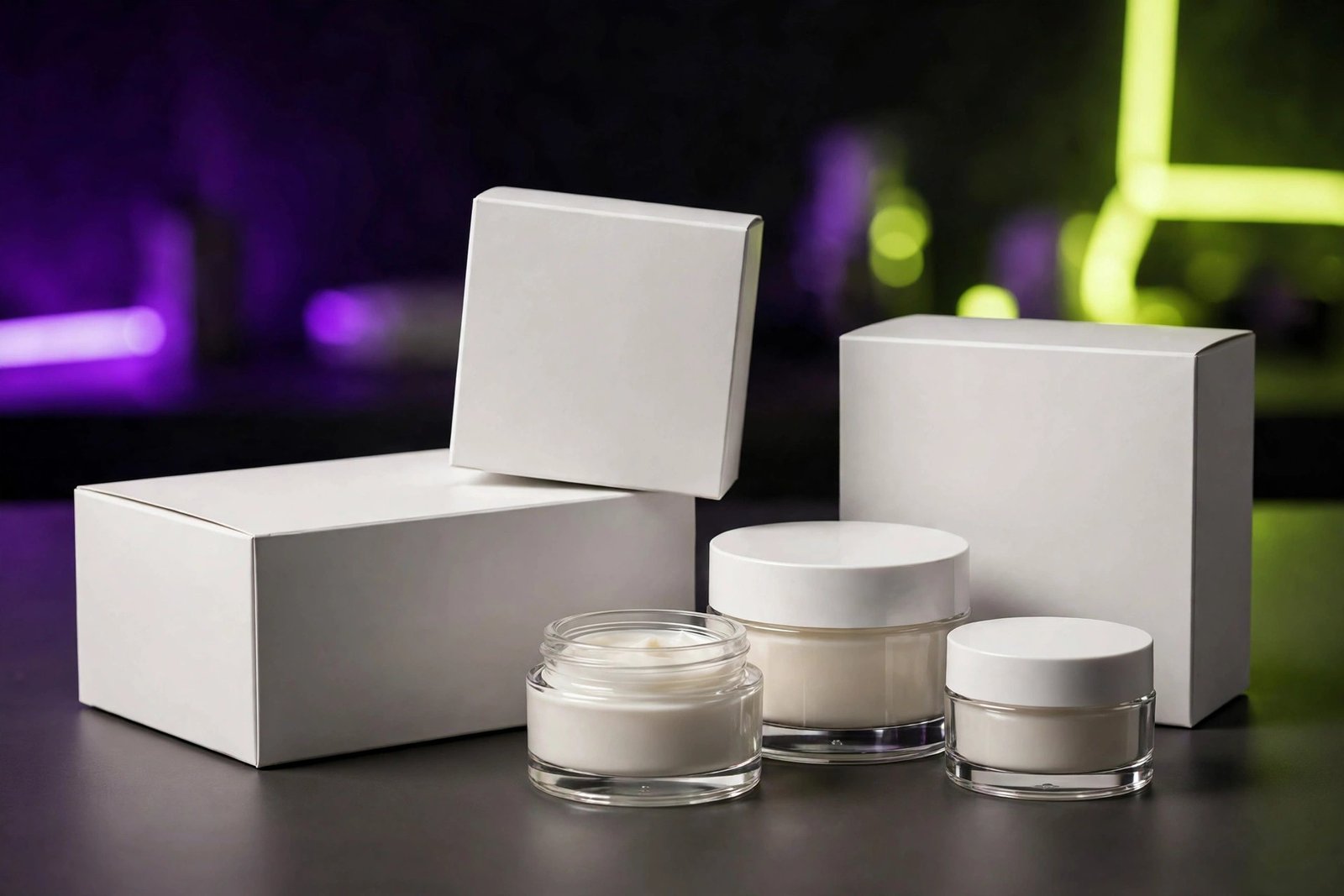
Bottles, jars, and tubes. Cosmetic creams, lotions, shampoos, and food pastes often use tubes and jars. We create mockups showing your branding on these containers with realistic reflections and shadows, so they look like professional product photos.
Blister and clamshell packs. Common for surgical instruments, small tools, and retail products. These mockups show the product visible through the clear plastic with your branded backing card — exactly how buyers will see it in a store.
Shipping cartons and outer boxes. For exporters, the outer carton matters too. We design mockups of shipping boxes with your brand markings, handling symbols, and product information — the box your international buyer receives.
Complete packaging families. Many brands need several packaging types that all match — a box, a pouch, a label, and a bag in one consistent design. We create mockup sets showing the whole family together, which is perfect for brand presentations and catalogue shoots. If your brand needs a full identity to go with the packaging, start with our logo design service so everything carries one professional look.
Every mockup we deliver is high-resolution and realistic enough to use in presentations, catalogues, websites, and social media.
Our Packaging Mockup Design Process, Step by Step
Creating a great packaging mockup takes more than just pasting a design onto a box image. Here is our complete process, so you know exactly what to expect.
Step 1: Understanding your product and packaging. We start by learning about your product: what it is, what size it is, and what kind of packaging you plan to use. A mockup for a surgical instrument box is very different from a mockup for a snack pouch. We also ask about your target market — local retail, export, or online sales — because packaging expectations differ for each.
Step 2: Collecting your design assets. You share your logo, brand colors, product images, and any text that must appear on the packaging — product name, ingredients, instructions, contact details, barcode. If you already have a packaging design, we use it directly. If you need the packaging design created too, we handle that as part of the project.
Step 3: Designing the packaging artwork. If the packaging design does not exist yet, we create it first: the layout, colors, typography, and graphics arranged for your specific box or pouch dimensions. We consider practical details like where the barcode goes, how text reads on folded edges, and which panel is the "front" that buyers see first.
Step 4: Building the realistic mockup. This is where the magic happens. We place your packaging artwork onto realistic 3D-style mockup scenes with proper lighting, shadows, and perspective. The result looks like a professional photograph of your actual product. We create multiple angles — front view, angle view, and group shots — so you can see the packaging from every side.
Step 5: Your review and revisions. We share the mockup images with you. You check everything: colors, logo placement, text readability, overall feel. Tell us what to adjust and we revise. Common revisions include making the logo bigger, changing a color, or rearranging text. We continue until you are happy.
Step 6: Final delivery. You receive high-resolution mockup images ready to use in presentations, catalogues, websites, and social media. We also deliver the flat packaging artwork files that your printer needs for actual production. Everything is organized and labeled clearly.
The whole process typically takes 3 to 7 working days depending on complexity. A single box mockup is quick; a complete packaging family with multiple items takes longer. We keep you updated throughout, and most communication happens easily over WhatsApp.
How Sialkot Manufacturers Use Mockups to Win Orders
Sialkot's manufacturers compete in global markets, and packaging mockups give them a real edge. Here are typical ways local businesses use our mockup designs.
The sports goods exporter pitching to Europe. A football manufacturer wanted to offer custom-branded packaging to European buyers. Instead of just describing the box in emails, they sent realistic mockups showing the buyer's logo on a premium football box. The visual made the offer tangible. The buyer could picture their brand on the shelf. This manufacturer now includes mockups in every quotation, and their response rate from buyers improved noticeably.
The surgical instrument company launching a new line. A surgical instruments manufacturer developed a new set of tools and needed packaging that looked medical-grade and trustworthy. We designed the box artwork and created mockups showing the instruments' packaging from multiple angles. They used these images in their product catalogue and at a trade exhibition. Visitors to their stall could see the finished packaging concept even before mass production, which helped them collect serious inquiries.
The food brand testing pouch designs. A local dry fruit brand wanted to launch stand-up pouches but could not decide between three design directions. We created mockups of all three. The owner showed them to shopkeepers and family members, and the feedback clearly favored one design. They printed with confidence, avoiding the cost of producing packaging nobody liked.
The cosmetics startup building an online store. A new skincare brand needed product images for their website but had not manufactured the final packaging yet. We created realistic mockups of their jars and tubes with full branding. They launched their website and social media with these professional images, started taking pre-orders, and then went into production. The mockups bought them time and made the brand look established from day one.
The leather goods maker impressing a buyer. A leather wallet manufacturer received an inquiry from an international buyer asking about custom packaging options. Within days, we produced mockups showing three packaging tiers — standard, premium, and luxury gift box. The buyer chose the premium option, which had better margins for the manufacturer. Without mockups, that upsell conversation would have been much harder.
These stories share one lesson: in business, seeing is believing. A mockup turns your packaging idea into something buyers can see, evaluate, and get excited about. For exporters especially, where buyers may never visit your factory, professional mockups bridge the distance.
Packaging Mockups for Exporters: What International Buyers Expect
Sialkot's economy runs on exports. Sports goods go to Europe and America. Surgical instruments go to hospitals around the world. Leather products reach fashion brands globally. In all of these markets, packaging is part of the product — and international buyers have high expectations. Here is how mockups help exporters meet them.
Buyers want to see their brand on your product. Most export buyers sell under their own brand name. When you send a quotation, they are imagining their logo on your packaging. A mockup with their branding makes that imagination real. It answers their unspoken question: "What will this look like with my brand on it?" Exporters who send branded mockups with quotations consistently get better responses than those who send text-only offers.
Retail-ready packaging wins shelf space. If your buyer sells to retail stores, your packaging must look good on a shelf next to competitors. European and American retail buyers judge this carefully. A realistic mockup lets the buyer evaluate shelf appeal without waiting for physical samples to ship across the world. In a competitive bidding situation, the supplier who shows professional packaging visuals first often has an advantage.
Mockups speed up the sampling cycle. Physical samples take weeks to produce and ship internationally. Mockups take days. While the physical sample is being prepared, the mockup keeps the conversation moving — the buyer can approve the design direction, request changes, and finalize artwork. By the time the physical sample arrives, the design is already agreed. This can shave weeks off the order cycle.
Compliance details matter to foreign buyers. Different markets have different packaging requirements: CE markings for Europe, FDA-related text for America, language requirements for the Middle East. A good mockup shows exactly where these compliance elements sit on the packaging. When a buyer sees that you have already planned for their market's requirements, it builds serious confidence in your professionalism.
Private label presentations. Many Sialkot manufacturers offer private label services — producing goods that buyers sell under their own brand. For private label pitches, we create mockup sets showing the same product with different branding options: standard, premium, and luxury packaging tiers. This lets the buyer choose their positioning and often leads them to select higher-margin packaging.
Exhibition and trade show material. Sialkot exporters attend international trade shows where first impressions decide which stalls get traffic. Large printed mockup visuals — showing your products in beautiful packaging — draw buyers to your stall. We prepare high-resolution mockup images sized for banners, standees, and display boards.
What to include for export mockups. When briefing us for export packaging mockups, share the target market, the buyer's brand assets if available, any compliance text required, and the packaging dimensions. If the buyer has brand guidelines — specific colors, logo usage rules — share those too. The more accurate the input, the more convincing the mockup.
For exporters, packaging mockups are not a luxury. They are a standard part of professional international selling, and buyers increasingly expect them.
Common Packaging Mockup Mistakes to Avoid
Not all mockups are equally useful. Here are the mistakes that make packaging mockups misleading or unhelpful — and how we avoid them.
Mistake 1: Unrealistic proportions. Some mockups stretch or squeeze the design to fit, making the box look a different shape than it really is. This gives a false impression. We always match the mockup to your actual packaging dimensions, so what you see is what you get.
Mistake 2: Colors that will not print. Screen colors and print colors can differ significantly. Bright neons and deep dark tones often disappoint on paper. We design with print-safe colors and warn you when a color may not reproduce well, so the final printed packaging matches the mockup.
Mistake 3: Ignoring the dieline. Every box has fold lines, glue flaps, and cut edges — the dieline. Text or logos placed across a fold line will look broken on the real box. We plan the artwork around the dieline so nothing important sits on a fold.
Mistake 4: Text too small to read. On a mockup viewed on a big screen, small text looks fine. On the real box held in a hand, it may be unreadable. We check text sizes against real-world dimensions, especially for ingredients, instructions, and legal information.
Mistake 5: Forgetting the barcode and legal space. Most retail packaging needs space for a barcode, and food or cosmetic packaging needs space for ingredients and warnings. Designs that fill every inch leave no room for these essentials. We always reserve proper space for barcodes and required information.
Mistake 6: Cluttered design. Trying to say everything on the packaging means nothing stands out. The product name, the brand, and one key message should dominate. Supporting details stay smaller. We keep packaging designs focused so buyers grasp the product in seconds.
Mistake 7: Mockups that look fake. A bad mockup — with wrong shadows, flat lighting, or distorted perspective — looks amateur and undermines trust instead of building it. Our mockups use realistic lighting and proper perspective so they genuinely look like product photography.
Mistake 8: Only one angle. A single front view hides problems on the sides and back. We always create multiple angles so you can evaluate the complete packaging, not just the pretty front.
Avoiding these mistakes is what separates a useful mockup from a misleading one. Our experience with real printing and real packaging is what makes our mockups trustworthy.
What to Check Before Ordering Packaging Mockups
Before you hire a designer for packaging mockups, check these points:
- Ask to see real packaging mockup work. Look for realistic lighting, correct perspective, and believable materials. If the mockups look flat or fake, keep looking.
- Confirm they understand printing. The designer should know about dielines, bleed, CMYK colors, and how packaging is actually produced.
- Check that dimensions match. Ask whether the mockup will reflect your actual box or pouch size. Generic mockups that ignore your dimensions are misleading.
- Ask about multiple angles. Confirm you will get front, side, and angle views — not just one image.
- Confirm file formats. You need high-resolution images for presentations and print-ready artwork files for production. Make sure both are included.
- Ask about the packaging design itself. If you do not have packaging artwork yet, check whether the designer can create it, or only places existing designs onto mockups.
- Discuss revisions. Packaging goes through several rounds. Confirm revisions are included.
- Check turnaround time. If you need mockups for a buyer meeting or exhibition, agree on a delivery date upfront.
The right designer understands both design and production. That combination is what makes a mockup genuinely useful instead of just pretty.
How to Brief Your Designer for the Best Mockup Results
The quality of your mockup depends heavily on the quality of your briefing. A clear brief gets you a great mockup fast. A vague brief leads to revisions and delays. Here is exactly what to prepare before you contact a designer.
Start with the product itself. What is the product? What are its dimensions? A photo of the actual product — even a phone photo — helps enormously. If the product does not exist yet, describe it clearly: size, shape, color, material. The designer needs to understand what goes inside the packaging to design packaging that fits.
Define the packaging type and size. Box, pouch, label, bag, tube — and the exact dimensions in inches or centimeters. If you already work with a packaging supplier, ask them for the dieline or the box measurements. Accurate dimensions are the foundation of a trustworthy mockup. If you are not sure about sizes yet, tell the designer and they can suggest standard options for your product category.
Share your brand assets. Your logo in high quality, your brand colors (with color codes if you have them), your fonts if you have brand fonts, and any existing brand material like business cards or your website. Consistent branding across everything — from your logo to your packaging — is what makes a brand look professional. If you do not have formal brand assets, share whatever you have and the designer will work with it.
List all required text. Write down every piece of text that must appear on the packaging: product name, tagline, ingredients or materials, usage instructions, warnings, your company name and address, phone number, website, barcode number, and any certifications. It is much easier to plan the layout with all text available upfront than to squeeze in forgotten items later.
Show examples you like. Find two or three packaging designs you admire — from competitors, from other industries, from anywhere. Screenshots are fine. Tell the designer what you like about each: the colors, the layout, the style, the premium feel. Examples communicate taste faster than words.
Explain where the mockup will be used. A mockup for a buyer presentation needs different angles than a mockup for a website banner. Tell the designer the purpose: buyer pitch, catalogue, website, social media, exhibition, or print approval. Each use may need different image sizes and compositions.
Set a realistic timeline. Share your deadline at the start. If you need mockups for a buyer meeting next week, say so. Designers can often prioritize urgent work, but only if they know about it in advance. Last-minute rush requests lead to stress on both sides.
Appoint one decision-maker. Packaging designs stall when five people give conflicting feedback. Choose one person who collects opinions internally and communicates final decisions to the designer. This single point of contact keeps the project moving smoothly.
A good brief does not need to be long or formal. A WhatsApp message covering these points is enough. The effort you put into the brief comes back to you as a faster project, fewer revisions, and a mockup that truly matches your vision.
Packaging Mockups vs Physical Samples: When to Use Each
Clients often ask us: should I get a digital mockup or a physical printed sample? The answer is that they serve different purposes, and smart businesses use both at the right time.
Digital mockups: fast and flexible. A digital mockup takes days, not weeks. It costs a fraction of a printed sample. You can create multiple design options, compare them side by side, and revise quickly. Digital mockups are perfect for the design phase — choosing colors, testing layouts, getting buyer feedback, and presenting concepts. They are also ideal when you need visuals for catalogues, websites, and presentations before production begins.
Physical samples: the final check. A printed sample lets you feel the paper, check the true colors, and test how the box folds and holds the product. Nothing replaces holding the real thing. Physical samples are essential as the final step before bulk printing — they catch issues that no screen can show, like paper texture, ink coverage, and structural strength.
The smart sequence. Start with digital mockups to finalize the design. Revise until everyone is happy. Then order one physical sample to verify print quality and structure. Then go to bulk printing with confidence. This sequence gives you the speed and flexibility of digital plus the certainty of physical — while keeping costs low. Skipping the mockup stage and going straight to physical samples usually means paying for multiple rounds of expensive samples.
When mockups alone are enough. For buyer presentations, online listings, catalogues, and social media, digital mockups are all you need. The buyer or customer only sees the image, so a realistic mockup does the complete job. Many of our exporter clients win orders with mockups alone and only produce physical samples after the order is confirmed.
Understanding when to use each tool saves you both time and money — and keeps your packaging projects moving without unnecessary delays.
Packaging Mockup Design Pricing in Sialkot
We do not publish fixed prices, and here is the honest reason: every packaging project is different. A single box mockup takes far less work than a complete packaging family with custom artwork for five products. A fixed price would be unfair to simple projects and unrealistic for complex ones.
Here is what affects the cost:
- Number of mockups. One box mockup costs less than a set of ten mockups for a full product range.
- Packaging type. Simple boxes are straightforward. Complex shapes like shaped pouches or blister packs take more work.
- Whether artwork exists. If you already have packaging artwork, we only build the mockups. If we must design the artwork from scratch, that adds design time.
- Number of angles. Each additional angle — front, side, top, group shot — adds work.
- Design complexity. Clean, simple packaging is faster than luxury packaging with detailed illustrations and effects.
- Urgency. Standard timelines keep costs normal. Rush jobs for urgent buyer meetings may cost more.
To give you a rough idea: single product mockups are the most affordable and suit businesses that need a quick professional preview. Multi-angle mockup sets cost more but give you complete presentation material. Full packaging design plus mockups — where we create the artwork and the realistic previews — is a bigger investment but delivers everything you need to go to print with confidence.
What we promise is transparent, honest pricing. You receive a written quote before work starts, based on exactly what you need. No hidden charges. If the project scope changes, we discuss it with you first.
One honest point: compared to the cost of printing thousands of packaging units, a mockup is a tiny investment. It is also tiny compared to the cost of losing a buyer because your presentation looked amateur. For manufacturers and exporters, professional mockups pay for themselves many times over.
Want an exact price? Contact us for a free quote or call +92 371 4200173. Tell us your product, your packaging type, and how many mockups you need. We will reply with a clear written quote very quickly — free, with no obligation at all.
A realistic mockup can also save you from an expensive printing mistake. Colors on screen often look different on paper or plastic. When you see a lifelike mockup first, you can spot problems with color, text size, or layout before a single unit is printed. Fixing a mockup costs nothing. Reprinting ten thousand boxes costs a fortune.
Frequently Asked Questions
What is a packaging mockup exactly?
A packaging mockup is a realistic digital image showing how your packaging will look in real life. It displays your box, pouch, label, or bag with your branding, colors, and text — with lifelike lighting and shadows — before anything is printed. Think of it as a photograph of your packaging taken before the packaging exists. Unlike a flat design file, a mockup shows your packaging the way customers and buyers will actually see it: as a three-dimensional object on a shelf or in someone's hands.
How long does it take to create packaging mockups?
A single product mockup usually takes 2 to 3 working days. A set of mockups for multiple products takes 4 to 7 working days. If the packaging artwork must be designed from scratch first, add a few more days. Tell us your deadline — for example, a buyer meeting or exhibition — and we will plan around it.
Do I need to have my packaging design ready?
Not necessarily. If you already have packaging artwork, we use it directly to build the mockups. If you do not, we can design the packaging artwork as part of the project. Many clients come to us with just a logo and a product, and we handle everything from artwork to mockup.
Can mockups help me win export orders?
Yes, and this is one of their most powerful uses. International buyers respond strongly to visuals. Sending a realistic mockup with the buyer's branding on your packaging makes your offer tangible and professional. Many Sialkot exporters now include mockups in their quotations as standard practice.
What file formats will I receive?
You receive high-resolution images suitable for presentations, catalogues, websites, and social media. You also receive the flat packaging artwork files in print-ready formats for your printing press. Everything is organized, labeled, and ready to use.
Will the mockup match my actual box size?
Yes. We build mockups to your real packaging dimensions, not generic sizes. Share your box or pouch measurements with us, and the mockup will reflect the true proportions. This is important because a mockup with wrong proportions can be misleading.
Can you create mockups for food packaging with legal text?
Yes. We handle food packaging mockups with ingredients lists, nutrition information, expiry date space, and barcode placement. We make sure the mockup shows realistic text sizes so you can verify that all required information will be readable on the printed package.
Do you also design the packaging artwork, or only mockups?
We do both. If you only need mockups of existing artwork, we do that. If you need the complete packaging design created from scratch — layout, colors, typography, graphics — we handle that too. Most clients prefer the complete service so the artwork and mockups are perfectly aligned. When one team handles both, there are no mismatches between the design and the preview, and the project moves faster with fewer misunderstandings.
How many revisions are included?
We include reasonable revisions in every project. You review the mockups, tell us what to change — colors, logo size, text placement — and we update them. We continue until you are satisfied. Most clients need two to three rounds of revisions.
Preview Your Packaging Before You Print
Packaging is too expensive to get wrong. A mockup lets you see the finished result, show it to buyers, and approve it with confidence — all before spending on printing. For manufacturers, exporters, and brands in Sialkot, professional packaging mockups are one of the highest-value investments you can make in your product presentation.
At Advert Solutions, we combine real packaging knowledge with realistic mockup design. We understand dielines, print colors, and production — so our mockups are not just pretty pictures, they are trustworthy previews of your real packaging.
Whether you are a manufacturer preparing for an export order, a brand launching a new product, or a business refreshing its packaging, a professional mockup gives you clarity and confidence. You will make better decisions, impress your buyers, and avoid expensive mistakes. That is a strong return on a small investment.
Ready to see your packaging before you print it? Get a free quote today or call us right now at +92 371 4200173. Tell us about your product and we will show you exactly how great your packaging can look.
We do this for businesses.
Get a free consultation — we'll map the fastest path for you.